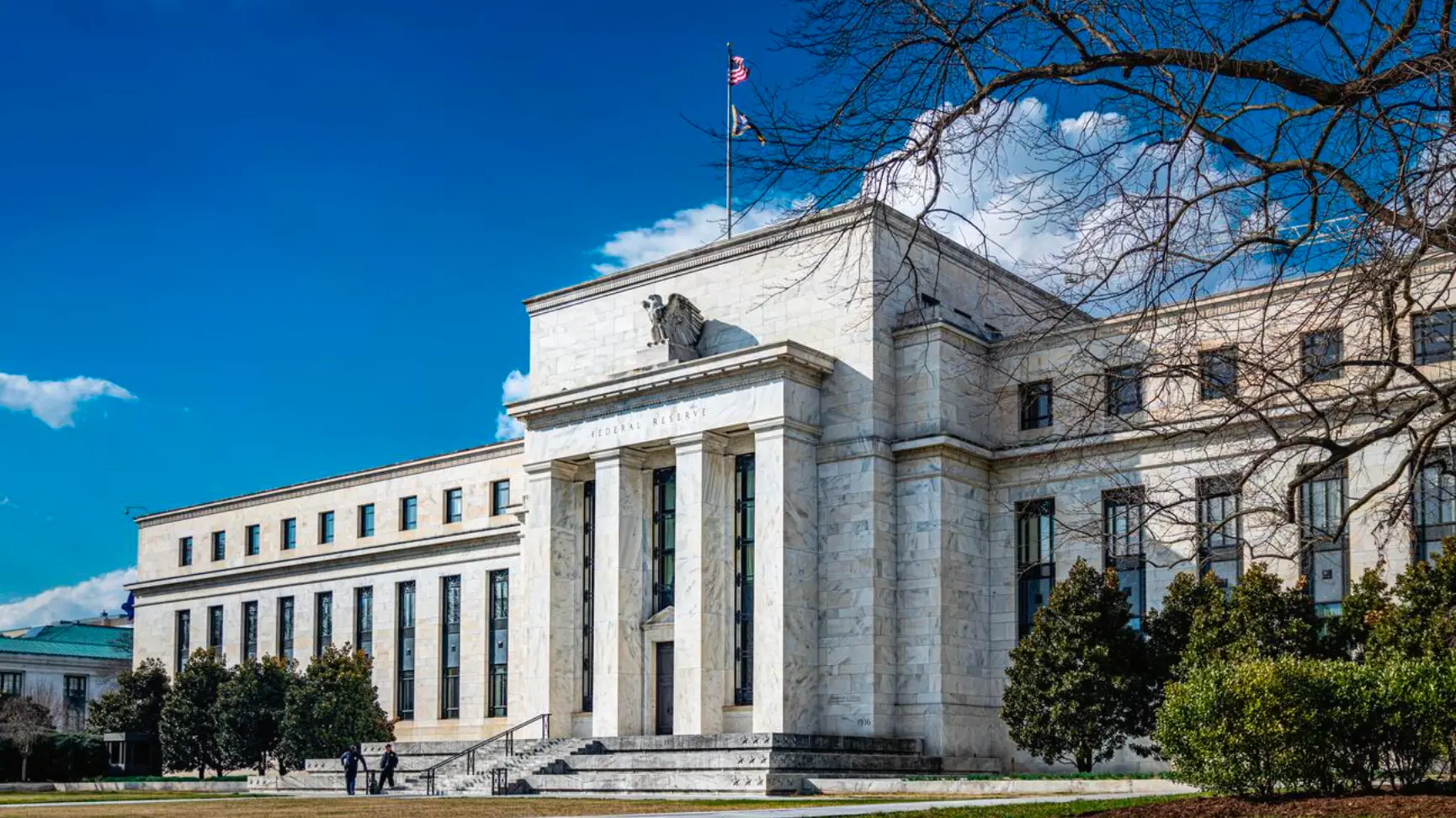
Economist Lyn Alden predicts the Federal Reserve is entering a ‘gradual print’ mode, stimulating asset prices mildly. Discover how this monetary shift, combined with leadership uncertainty, impacts Bitcoin, Ethereum, and the broader crypto market. Learn actionable strategies to position your portfolio in 2026.
Navigating the Fed’s Pivot: A New Monetary Era Unfolds
In a crucial analysis released on February 8, 2026, renowned economist and Bitcoin advocate Lyn Alden presented a nuanced outlook for U.S. monetary policy. Contrary to expectations of dramatic “big print” stimulus, Alden argues the Federal Reserve is transitioning into a period of “gradual” money printing. Her base case forecasts the Fed expanding its balance sheet in line with the growth of bank assets or nominal GDP—a steady, rather than explosive, injection of liquidity.
This shift comes at a moment of significant uncertainty. President Donald Trump’s nomination of the perceived hawkish Kevin Warsh for Fed Chairman has stirred markets, while current Chair Jerome Powell’s term expiration in May looms. For cryptocurrency investors, understanding this evolving landscape is paramount. The interplay between monetary policy, liquidity, and risk asset prices like Bitcoin and Ethereum will define the market trajectory for the year ahead. Alden’s guidance is clear: own high-quality, scarce assets and rebalance away from euphoric sectors.
Lyn Alden’s Analysis: Decoding the “Gradual Print” Thesis
Lyn Alden’s investment newsletter provides a framework for understanding the Fed’s likely path. She posits that the central bank will avoid aggressive, large-scale balance sheet expansion. Instead, it will engage in a controlled, proportional increase of liquidity, matching the pace of broader economic growth. This process, often colloquially called “money printing,” is executed digitally through asset purchases like government bonds, injecting credit into the banking system.
The critical implication for investors is the environment this creates. A steadily expanding money supply, even at a moderate pace, is typically bullish for scarce assets. It lowers the real yield on traditional safe havens and drives capital toward investments perceived as stores of value. Alden explicitly connects this to holding “high-quality scarce assets,” a category that fundamentally includes cryptocurrencies like Bitcoin due to their verifiable, limited supply. However, she cautions against complacency, advising a strategic rebalancing from overheated market segments toward undervalued opportunities.
Market Turbulence and the Shadow of Leadership Change
The monetary policy outlook is shrouded in uncertainty, primarily due to a looming leadership transition. Current Fed Chair Jerome Powell has delivered mixed signals, acknowledging a “challenging situation” with upside risks to inflation and downside risks to employment. Market tools like the CME FedWatch show dwindling confidence in a near-term rate cut, with only 19.9% of traders expecting one in March.
Compounding this is the political dimension. President Trump’s nomination of former Fed Governor Kevin Warsh has introduced volatility. Warsh is historically critical of the Fed’s large balance sheet, having argued that such holdings distort financial markets. Yet, Treasury Secretary Scott Bessent suggests that even under Warsh, the Fed would act deliberately, potentially taking up to a year to decide on balance sheet changes. This gap between a nominee’s past rhetoric and practical governance constraints adds a layer of unpredictability for markets navigating 2026.
Direct Impact on Bitcoin and Cryptocurrency Markets
The link between Fed policy and crypto markets is well-established. Expansionary monetary policy generally weakens the U.S. dollar and fuels investor appetite for higher-risk, non-traditional assets. In a “gradual print” regime, this relationship persists but in a more measured form. The steady drip of liquidity can provide a sustained, supportive backdrop for crypto asset prices, even if it lacks the explosive catalyst of a major stimulus program.
This environment reinforces Bitcoin’s core investment thesis as a digital hedge against currency debasement. As Alden implies, the structural scarcity of Bitcoin becomes particularly valuable when the supply of fiat currency is consistently increased. Furthermore, other “scarce” crypto assets with strong fundamentals and clear utility, such as Ethereum, may also benefit from this macro tailwind. However, investors must differentiate; an era of mild stimulus may not lift all tokens equally, emphasizing Alden’s warning to avoid “extremely euphoric areas”.
Strategic Portfolio Actions for Crypto Investors
- Prioritize Scarcity and Fundamentals: Double down on assets with a provably limited supply and robust, enduring use cases. Bitcoin is the prime example, but research others that fit this mold.
- Adopt a Rebalancing Mindset: Actively take profits from sectors showing signs of mania or overvaluation. Rotate these gains into undervalued segments of the crypto ecosystem with strong long-term prospects.
- Manage Expectations: Prepare for potential volatility driven by Fed commentary and political headlines around Warsh’s confirmation. A “gradual” print suggests steady support, not a moon-bound rocket.
- Diversify Within the Asset Class: Consider a mix of large-cap bedrock assets (like BTC and ETH) and selective, fundamental-driven smaller-cap projects, avoiding pure speculative tokens.
A Parallel Crisis: Soaring Crypto Thefts Demand Equal Vigilance
As investors navigate this macroeconomic shift, a parallel threat has reached alarming levels: sophisticated crypto crime. January 2026 saw catastrophic security breaches, underscoring that protecting assets is as crucial as selecting them. Total losses from Web3 security incidents, including exploits and fraud, reached approximately $414 million. Notably, phishing attacks resulted in around $20 million in losses from about 5,000 victims.
A shocking trend is the rise of “whale hunting,” where attackers target high-net-worth individuals. In January alone, signature phishing losses surged 207% to $6.3 million, with just two victims accounting for 65% of that sum. The largest single theft was a $284 million social engineering scam where a user was tricked into revealing a hardware wallet’s seed phrase. Another investor lost $12.25 million to an “address poisoning” attack. These figures are a stark reminder that in the “gradual print” era, preserving your capital from theft is the first step to benefiting from asset appreciation.
Conclusion: Positioning for a “Gradual” but Risky Future
Lyn Alden’s analysis of the Federal Reserve’s “gradual print” mode provides a critical roadmap for the coming year. While the era of massive, crisis-level stimulus may be over, a persistent, mild expansion of liquidity creates a favorable long-term environment for scarce digital assets. Bitcoin’s value proposition shines in this context.
However, this journey will not be smooth. Political uncertainty surrounding Fed leadership and the constant, evolving threat of sophisticated cyber-thefts demand that investors be both strategically minded and meticulously secure. The winning approach for 2026 involves a dual focus: constructing a portfolio aligned with macro-monetary trends while implementing ironclad personal security practices to ensure your assets are there to grow when the next cycle accelerates.
Disclaimer: The information on this page may come from third parties and does not represent the views or opinions of Gate. The content displayed on this page is for reference only and does not constitute any financial, investment, or legal advice. Gate does not guarantee the accuracy or completeness of the information and shall not be liable for any losses arising from the use of this information. Virtual asset investments carry high risks and are subject to significant price volatility. You may lose all of your invested principal. Please fully understand the relevant risks and make prudent decisions based on your own financial situation and risk tolerance. For details, please refer to
Disclaimer.


