#USPlansMultinationalEscortForHormuz
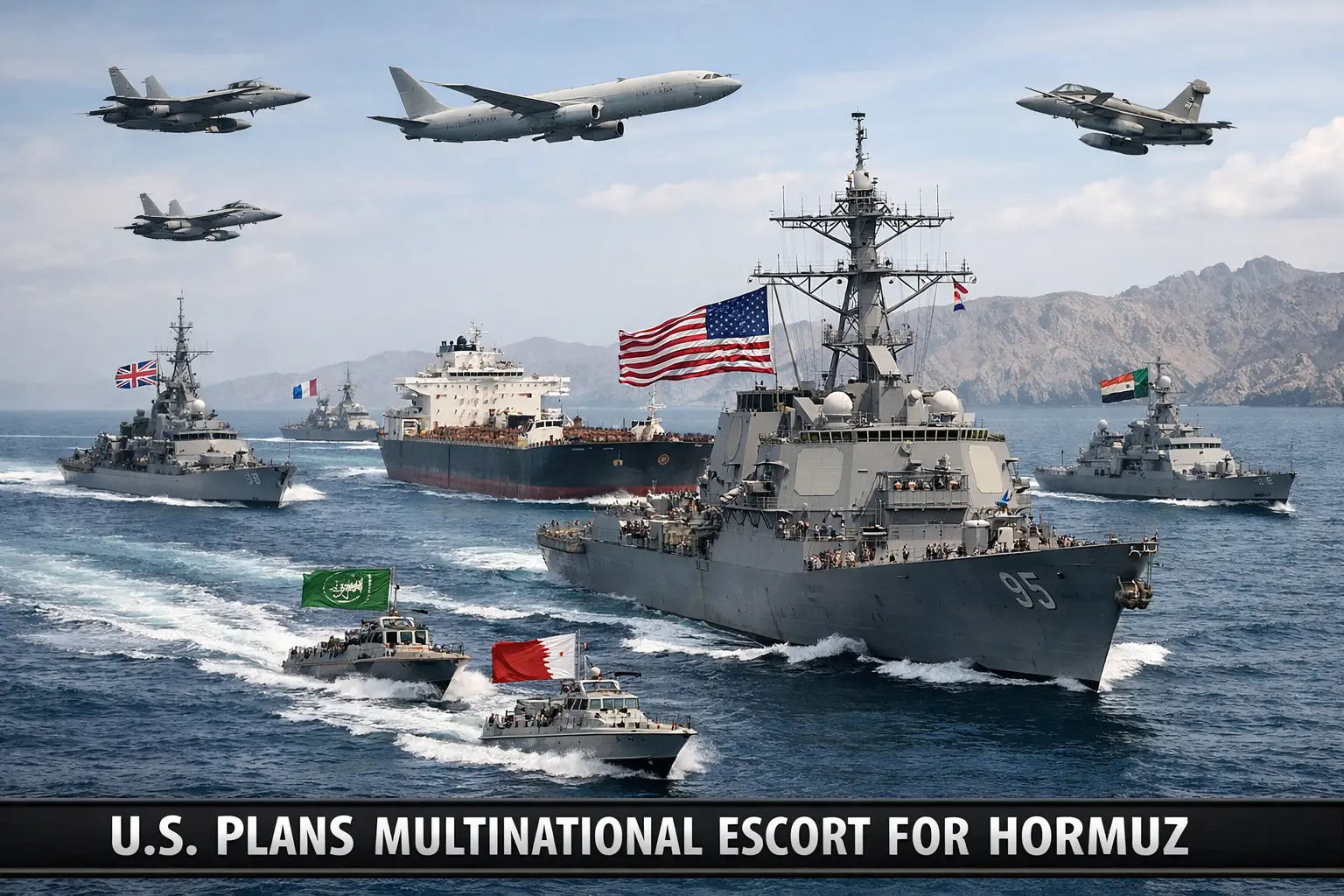
Rising tensions in the Middle East and increasing concerns over maritime security have pushed the United States to consider a new multinational naval initiative aimed at protecting commercial shipping through the Strait of Hormuz. Reports indicate that Washington is planning a coordinated escort mission involving several allied nations to ensure the safe passage of oil tankers and merchant vessels through one of the world’s most critical maritime chokepoints.
The Strait of Hormuz is responsible for transporting nearly a fifth of the world’s oil supply, making it a vital artery for global energy markets. Any disruption in this narrow waterway could have immediate consequences for international trade, energy prices, and geopolitical stability. Recent incidents involving attacks, seizures, and threats against commercial vessels have heightened concerns among global shipping companies and governments alike.
According to officials familiar with the discussions, the proposed operation would involve naval forces from multiple allied countries working alongside the United States Navy. These forces would escort commercial vessels through high-risk areas while maintaining a visible deterrent presence to discourage hostile actions.
Participating nations are expected to include key Western and regional partners who share an interest in maintaining free navigation and stability in the Gulf.
Supporters of the plan argue that a multinational approach sends a strong message of unity and collective security. By pooling naval resources and coordinating patrol routes, allied forces could cover a wider area and respond more quickly to emerging threats.
This collaborative model has been used before in other regions facing piracy and maritime security risks, often proving effective in reducing attacks on shipping lanes.
However, the initiative is not without controversy. Critics warn that increasing military presence in the already tense waters of the Gulf could escalate confrontations with regional powers. They argue that diplomatic engagement and de-escalation strategies should accompany any security measures to prevent misunderstandings that could lead to broader conflict.
Energy markets and global trade observers are watching developments closely. Even the perception of instability in the Strait of Hormuz can drive volatility in oil prices and shipping insurance costs. For countries heavily dependent on energy imports, maintaining uninterrupted access through the strait is a matter of national economic security.
As discussions continue among allied governments, the proposed escort mission reflects a broader effort to safeguard global commerce while navigating complex geopolitical dynamics in the Middle East. Whether through deterrence, cooperation, or diplomacy, the goal remains the same: ensuring that one of the world’s most important maritime routes remains open, secure, and stable for international trade.
Rising tensions in the Middle East and increasing concerns over maritime security have pushed the United States to consider a new multinational naval initiative aimed at protecting commercial shipping through the Strait of Hormuz. Reports indicate that Washington is planning a coordinated escort mission involving several allied nations to ensure the safe passage of oil tankers and merchant vessels through one of the world’s most critical maritime chokepoints.
The Strait of Hormuz is responsible for transporting nearly a fifth of the world’s oil supply, making it a vital artery for global energy markets. Any disruption in this narrow waterway could have immediate consequences for international trade, energy prices, and geopolitical stability. Recent incidents involving attacks, seizures, and threats against commercial vessels have heightened concerns among global shipping companies and governments alike.
According to officials familiar with the discussions, the proposed operation would involve naval forces from multiple allied countries working alongside the United States Navy. These forces would escort commercial vessels through high-risk areas while maintaining a visible deterrent presence to discourage hostile actions.
Participating nations are expected to include key Western and regional partners who share an interest in maintaining free navigation and stability in the Gulf.
Supporters of the plan argue that a multinational approach sends a strong message of unity and collective security. By pooling naval resources and coordinating patrol routes, allied forces could cover a wider area and respond more quickly to emerging threats.
This collaborative model has been used before in other regions facing piracy and maritime security risks, often proving effective in reducing attacks on shipping lanes.
However, the initiative is not without controversy. Critics warn that increasing military presence in the already tense waters of the Gulf could escalate confrontations with regional powers. They argue that diplomatic engagement and de-escalation strategies should accompany any security measures to prevent misunderstandings that could lead to broader conflict.
Energy markets and global trade observers are watching developments closely. Even the perception of instability in the Strait of Hormuz can drive volatility in oil prices and shipping insurance costs. For countries heavily dependent on energy imports, maintaining uninterrupted access through the strait is a matter of national economic security.
As discussions continue among allied governments, the proposed escort mission reflects a broader effort to safeguard global commerce while navigating complex geopolitical dynamics in the Middle East. Whether through deterrence, cooperation, or diplomacy, the goal remains the same: ensuring that one of the world’s most important maritime routes remains open, secure, and stable for international trade.

 :
: