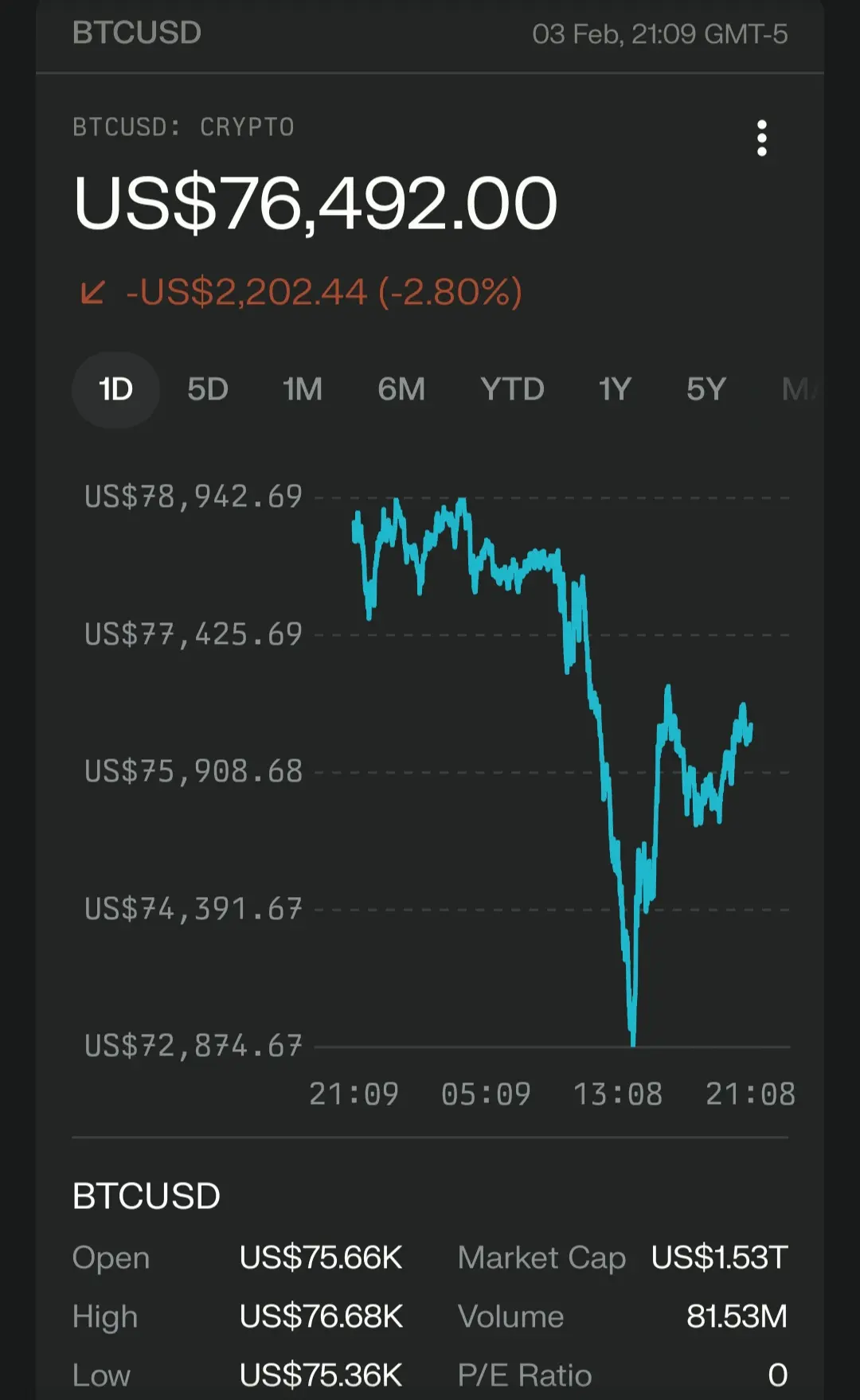
**BTC: What’s Really Going On With This Drop?**
Bitcoin has just gone through a sharp post‑parabolic correction, sliding from the euphoric highs and breaking below key levels like 80k. This move looks brutal on the chart, but structurally it still fits the pattern of a classic crypto shake‑out after a huge run.
**Why BTC is falling**
- Macro risk‑off: Global risk sentiment has turned cautious, and high‑beta assets like BTC are usually first in line when investors de‑risk.
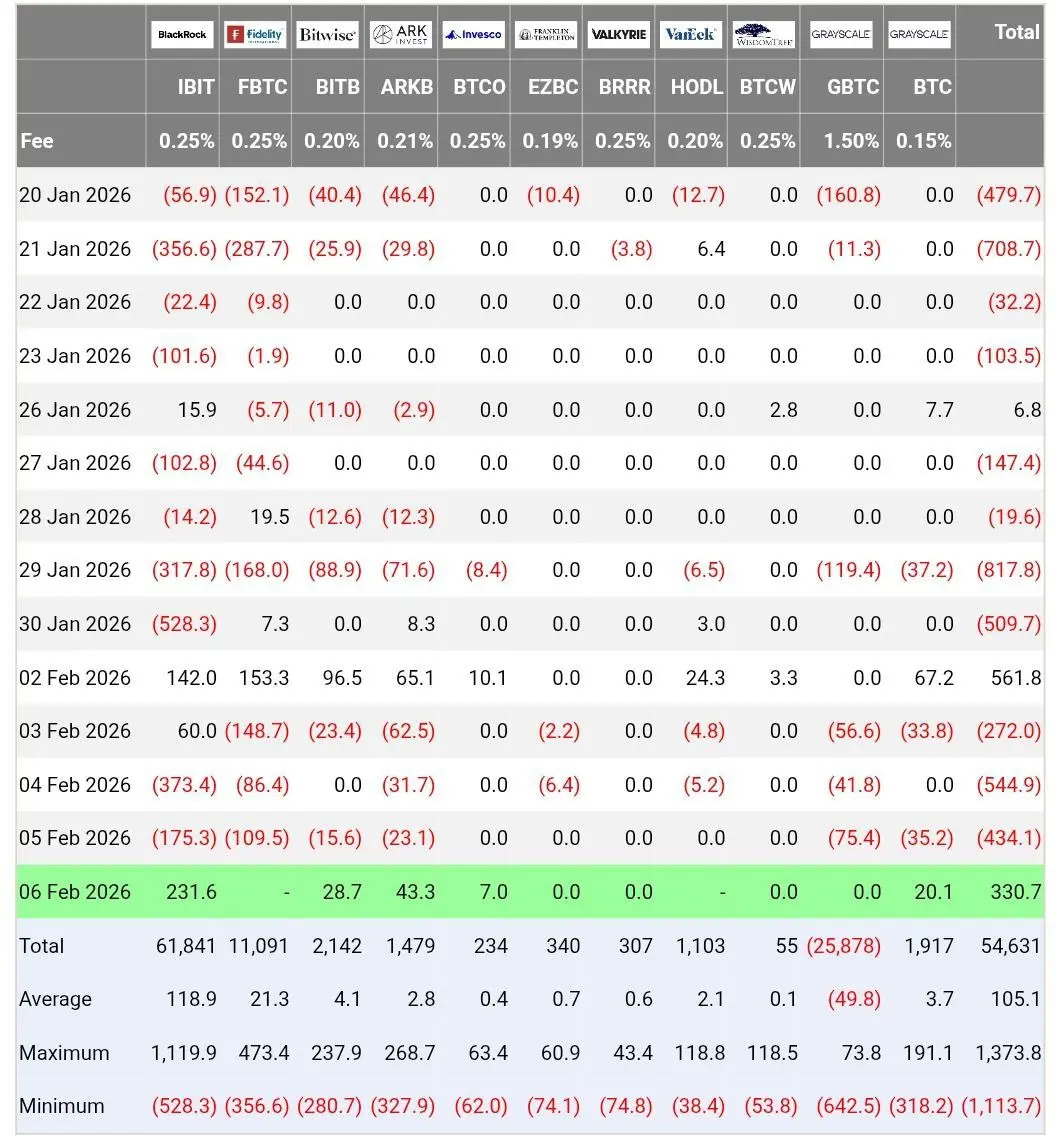
- ETF outflows: Spot BTC ETFs, which were a big driver on the way up, have started to see outflows, forcing selling of spot coins and removing a key demand engine.
- Leverage washout: Derivatives positioning was heavily skewed long, so once key supports broke, a wave of liquidations accelerated the downside.
- Technical breakdown: Losing the 84–85k area and then 80k flipped former support into resistance and triggered stop‑loss cascades.
**Key technical levels I’m watching**
- Short‑term resistance:
- 80–83k: First band BTC must reclaim to even start repairing the chart.
- 87–90k: Major resistance; reclaiming and holding above here would signal a serious trend recovery, not just a dead‑cat bounce.
- Support zones:
- 71k: First “line in the sand” for bulls; holding above here keeps the medium‑term structure intact.
- 64k: Next strong demand area if 71k fails.
- Below 64k: Opens the door to a deeper flush towards older breakout regions.
Momentum indicators on the higher timeframes are still pointing down, with no clean bullish divergence yet, which suggests sellers remain in control for now.
**Is this the bottom?**
No one can time the exact bottom, and treating any single price as “the” level is dangerous. A more realistic way to think about it:
- This drop is likely part of a broader bottoming *zone*, not necessarily the final wick.
- As long as BTC trades under the 87–90k region, bounces are more likely to be relief rallies inside a correction.
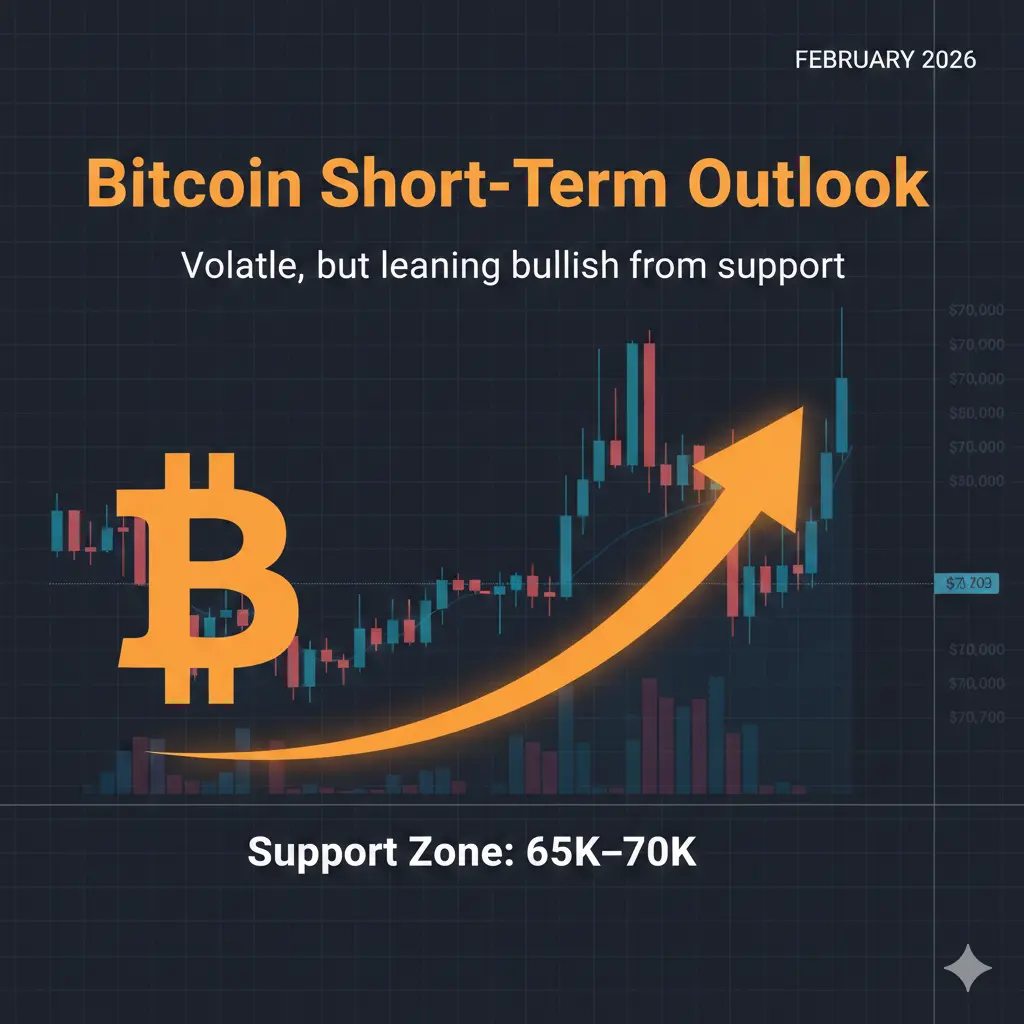
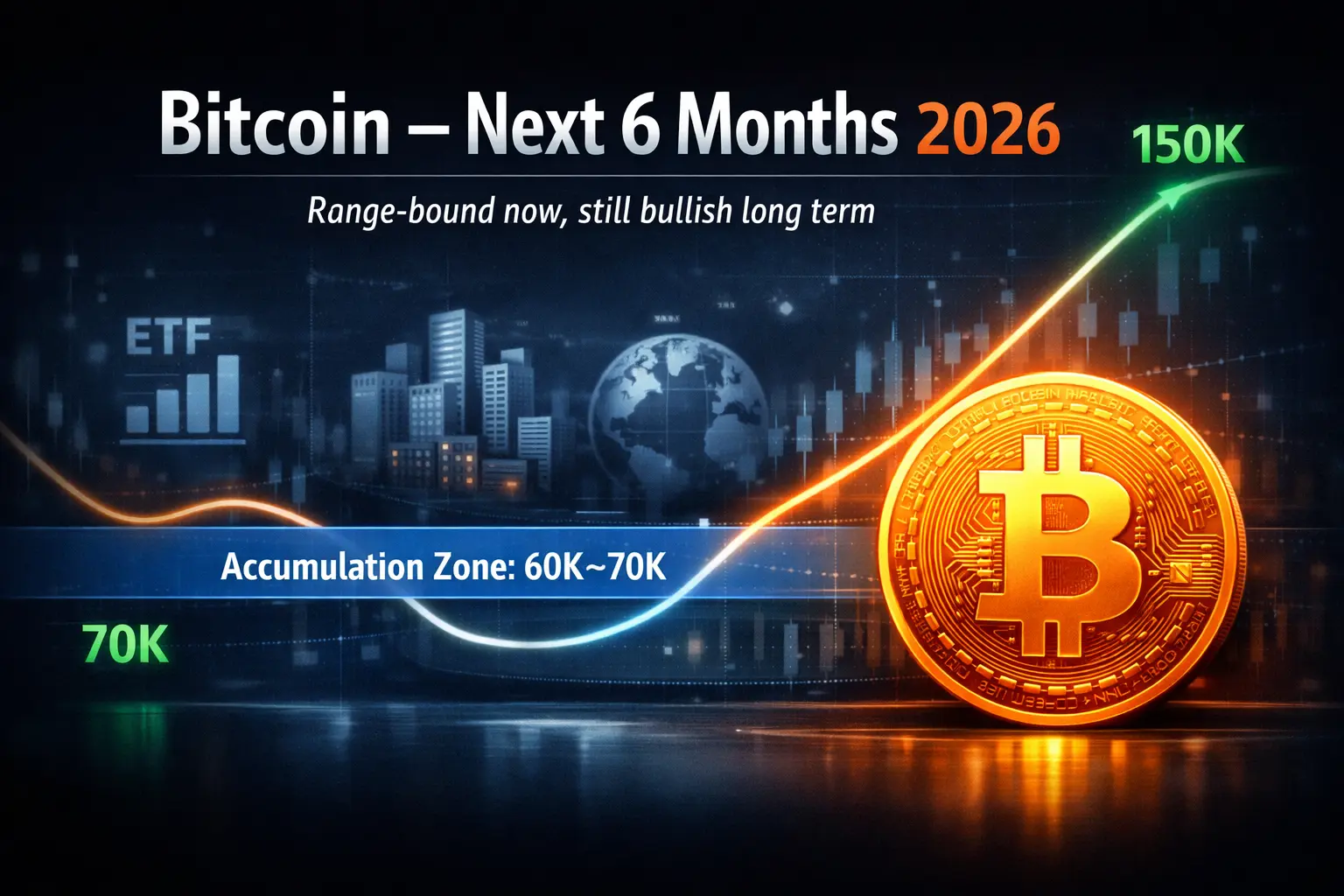
- The 70–80k range could be the upper part of that bottoming zone, with 64–71k as the deeper area where stronger hands may step in if macro conditions don’t deteriorate further.
**Possible scenarios from here**
1. **Shallow correction**
- 71k holds, ETF outflows slow, macro stabilises.
- BTC chops between roughly low‑70s and low‑80s, then grinds higher.
2. **Base‑building range**
- 71k breaks, but 64k holds as strong demand.
- Price spends weeks ranging in the mid‑60s to low‑70s, forming higher lows before any real trend reversal.
3. **Deep flush**
- 64k fails on a major macro shock or aggressive ETF redemptions.
- Fast move into lower levels, followed by a violent V‑shaped bounce as panic sellers get absorbed.
**How traders can approach it**
- Define your identity: short‑term trader or multi‑year holder.
- Size positions assuming BTC *can* test at least the mid‑60s; if you can’t survive that mentally or financially, you’re over‑exposed.
- Treat levels like 71k and 64k as planning zones (for DCA, adding, or cutting risk), not guarantees that price will magically reverse there.
The market is shifting from euphoria to fear, but that transition is exactly where long‑term opportunities tend to emerge, just not on anyone’s perfect schedule.
#WhenWillBTCRebound? 





 :
:
 :
:
 :
:

 :
: