




 :
:










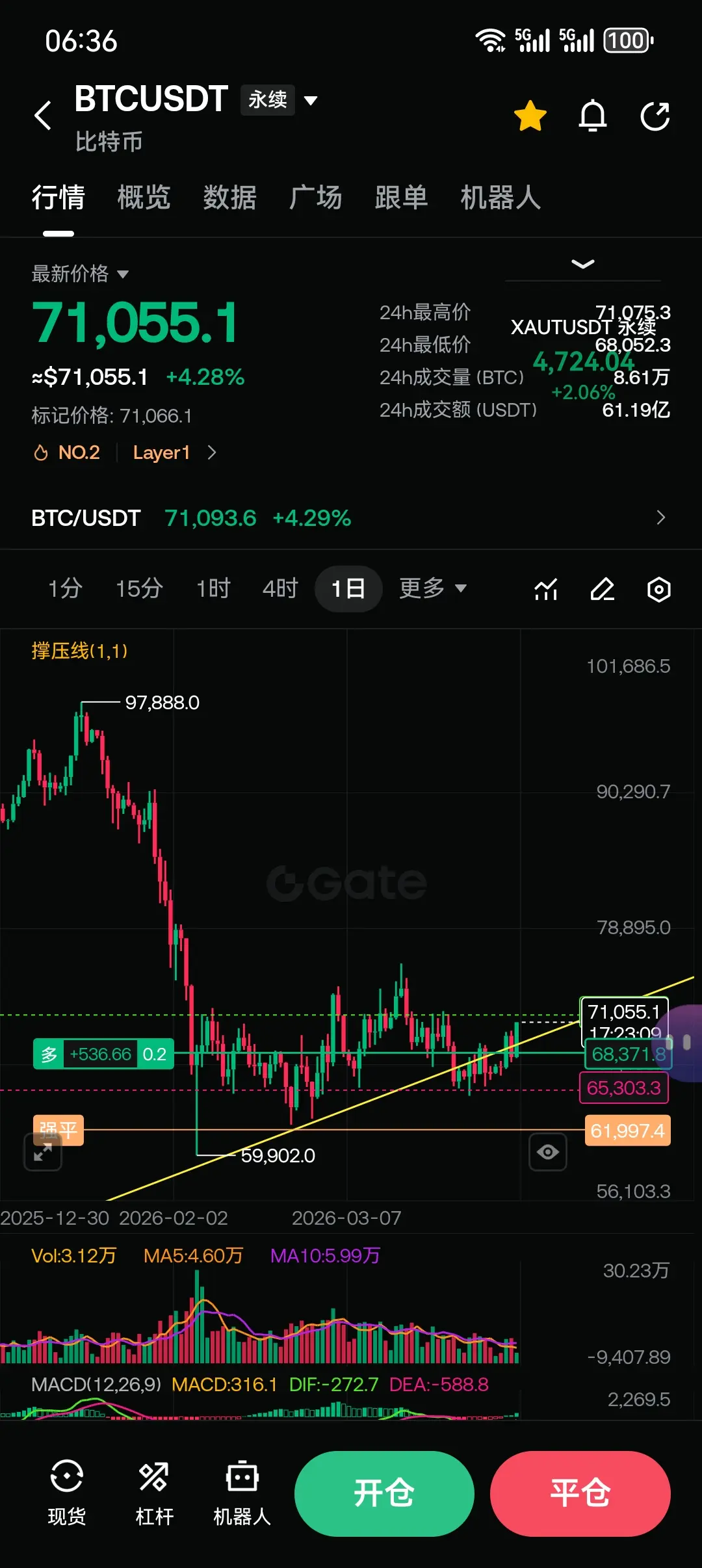
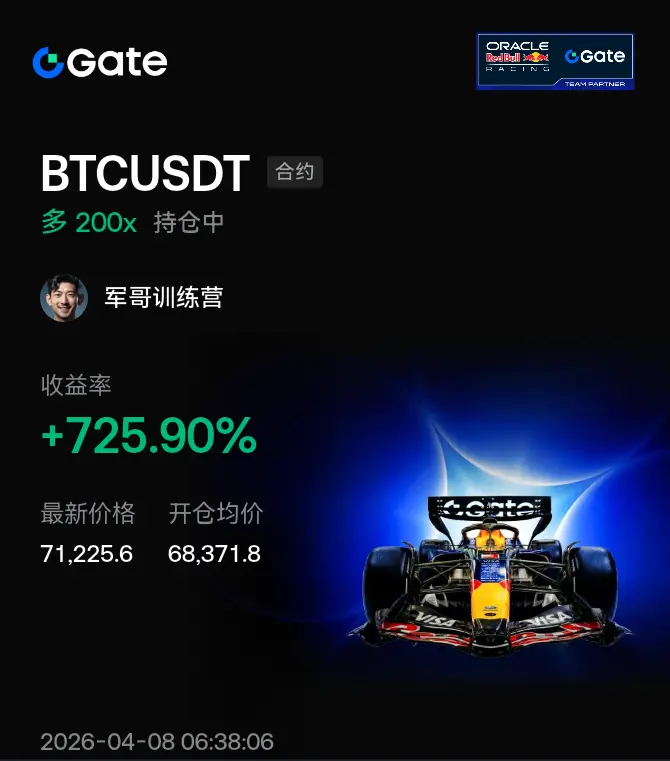
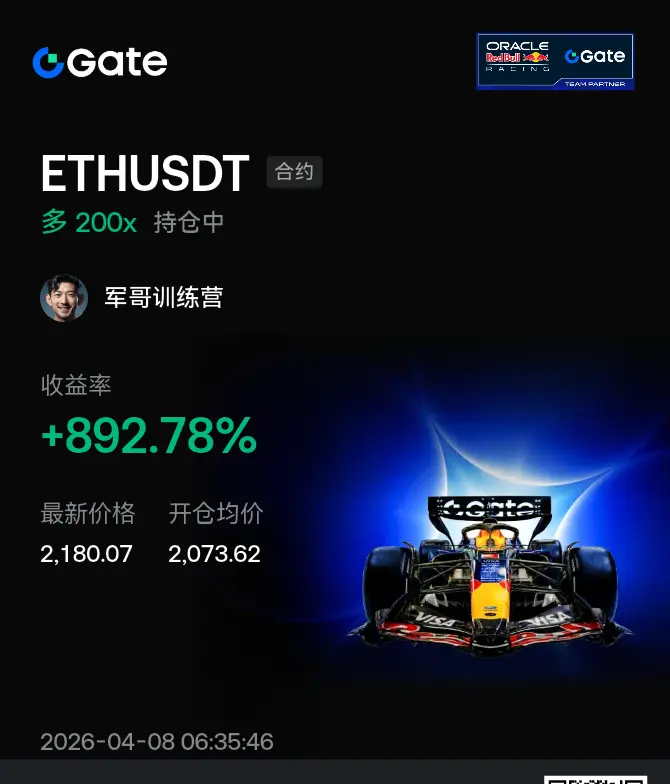
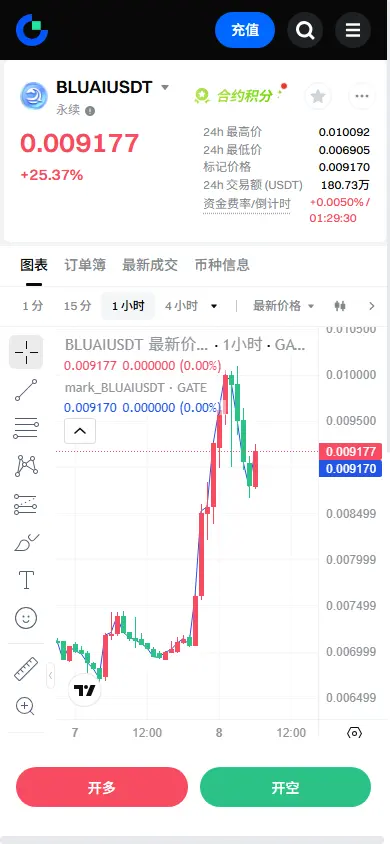





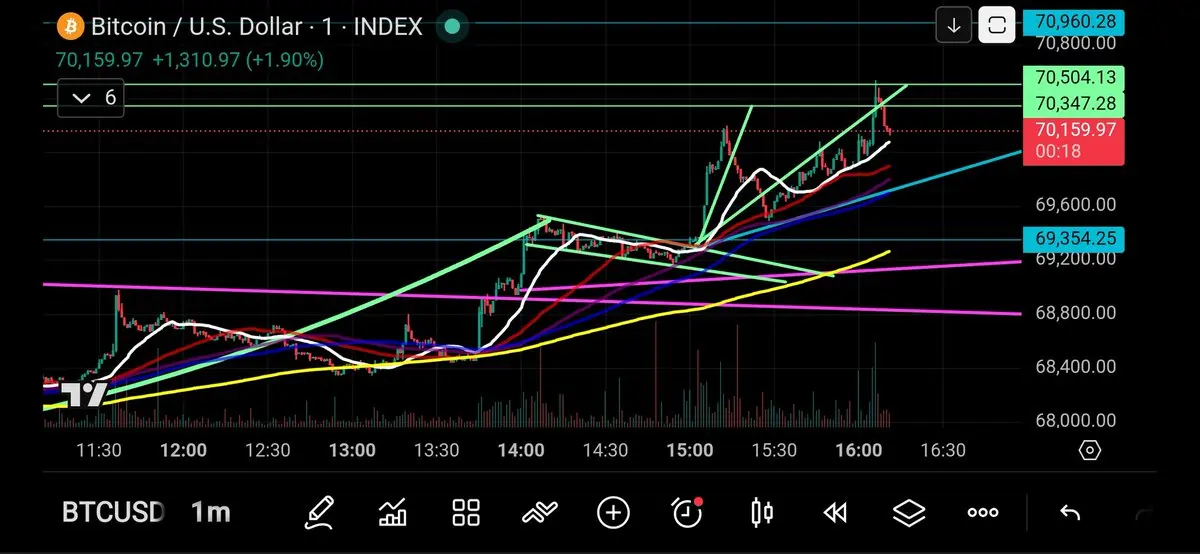
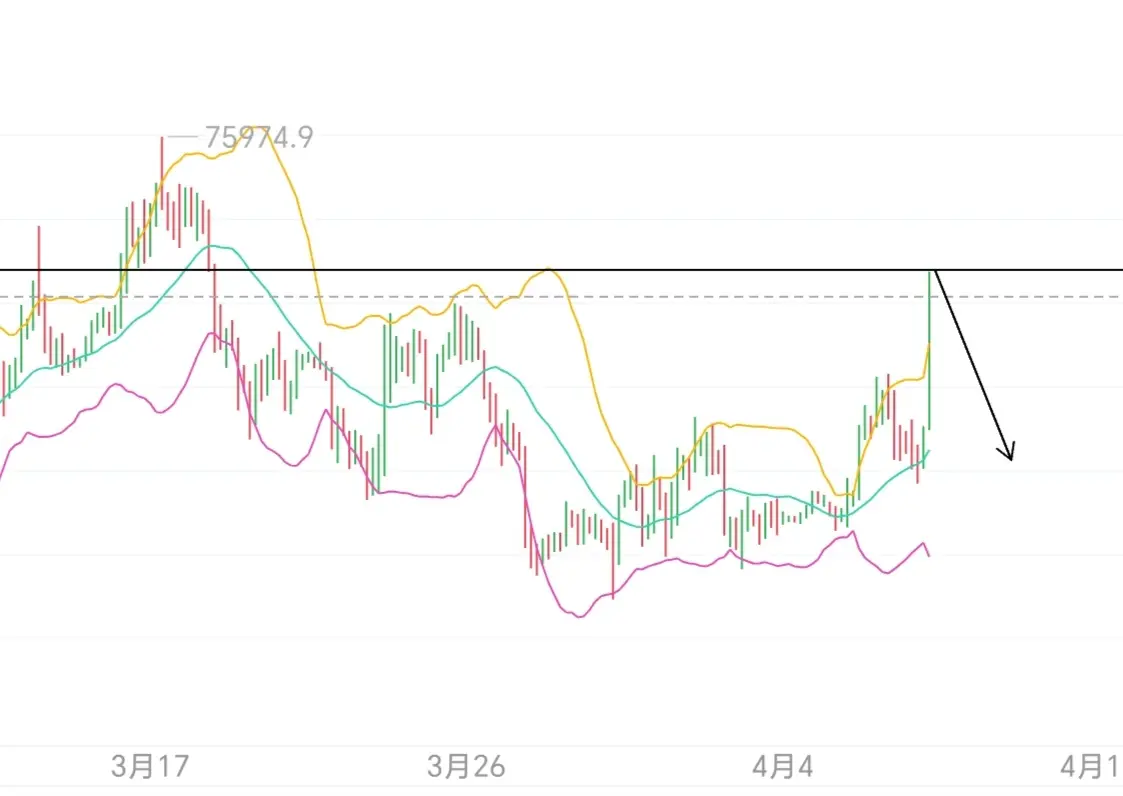
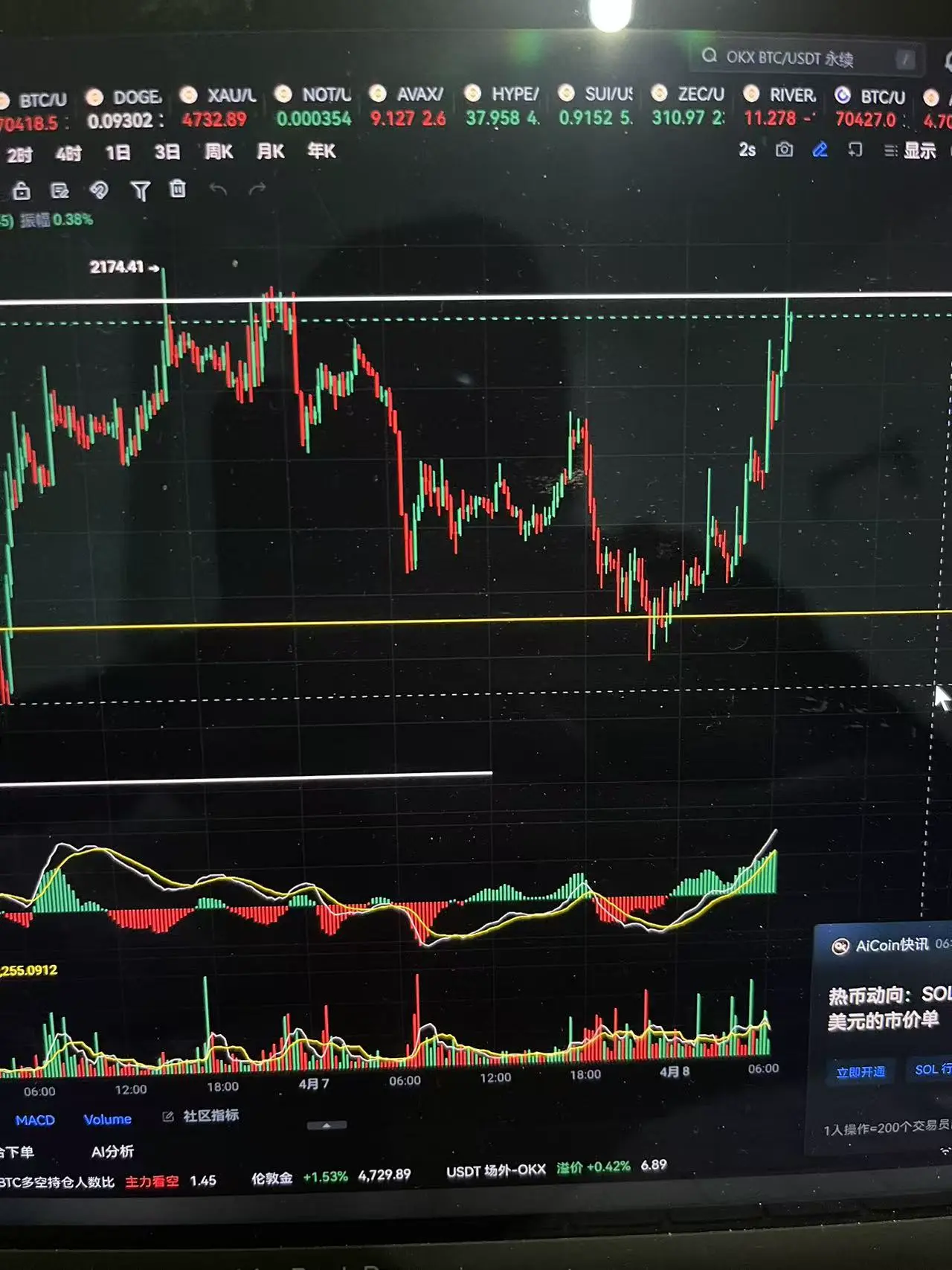
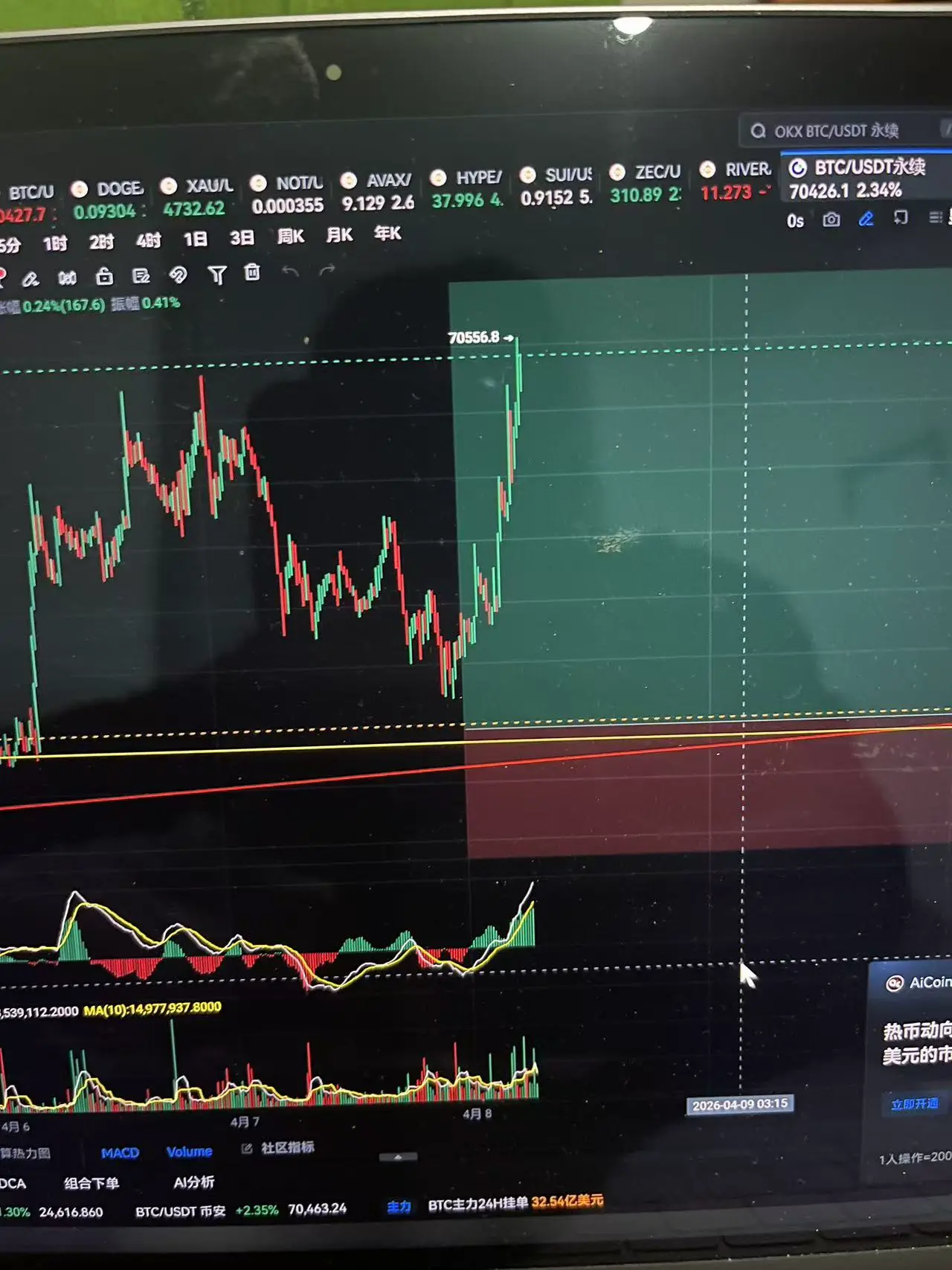
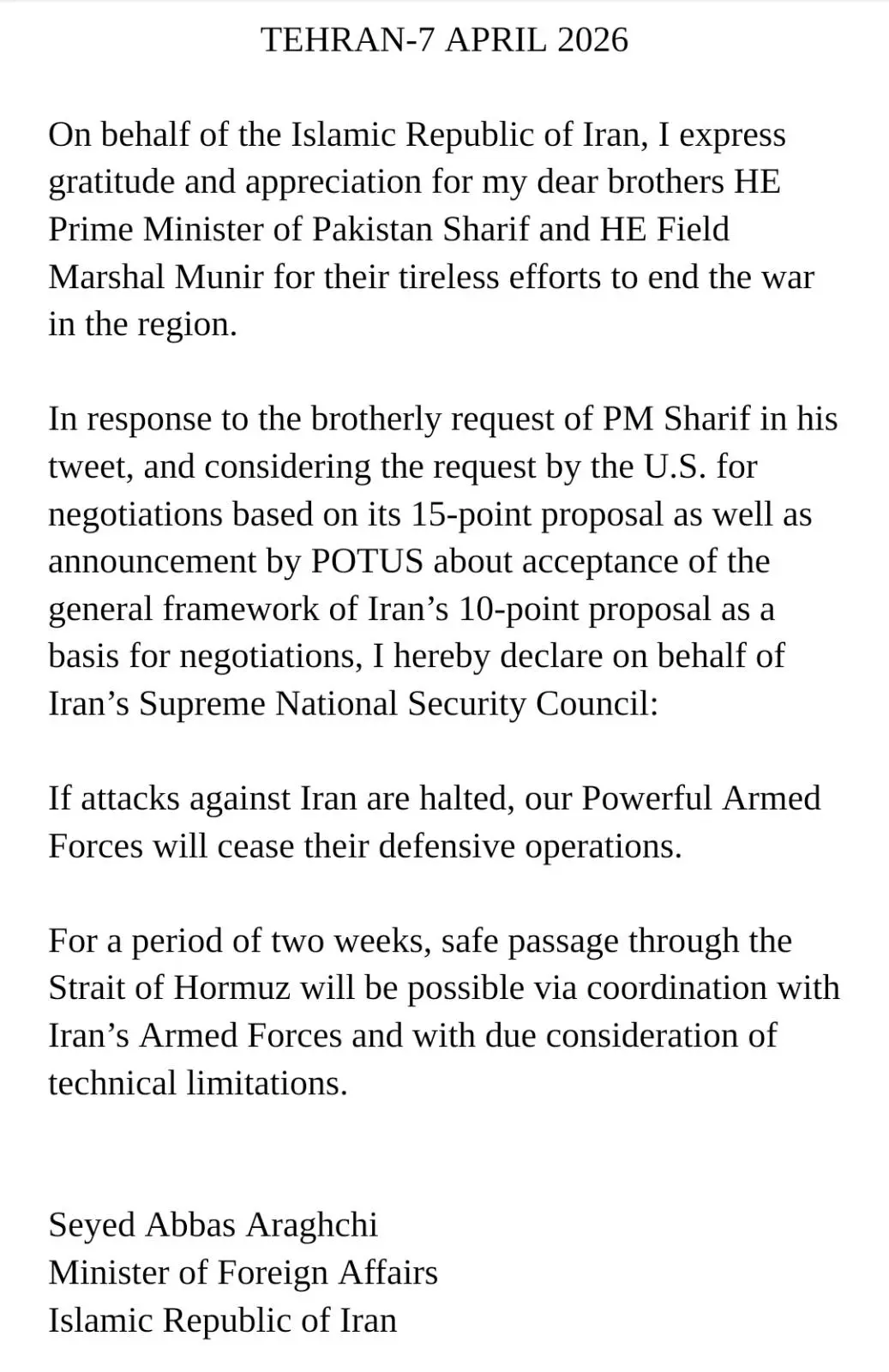
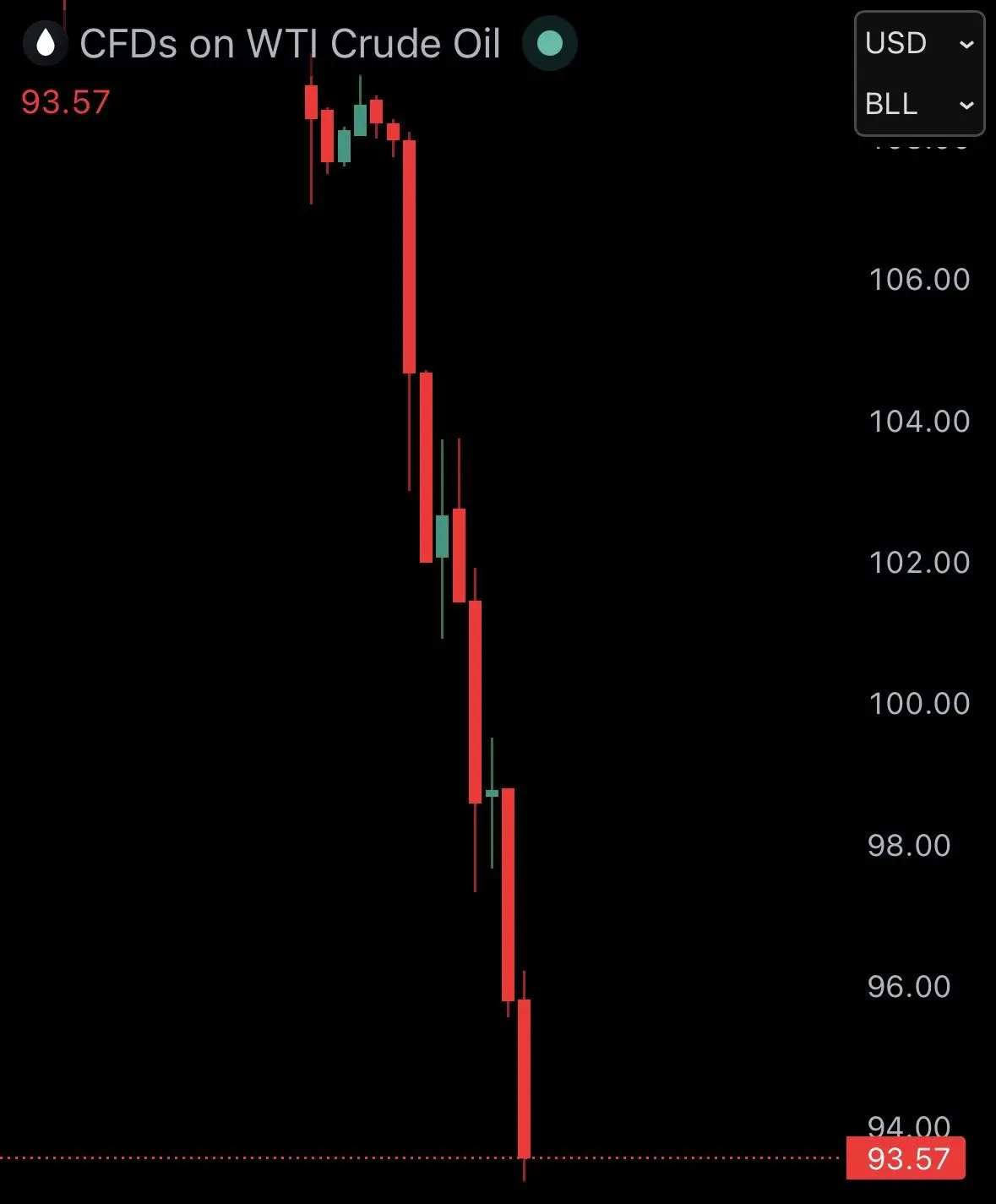
The events of April 3, 2026, involving military escalation between United States and Iran marked a significant geopolitical shock with immediate cross-market consequences. The reported strikes on critical infrastructure — followed by retaliatory actions — triggered a sharp reaction in global energy markets, particularly crude oil, which surged on fears of supply disruption and regional instability.
This spike in oil prices has a cascading macroeconomic effect. Higher energy costs feed directly into global inflation expectations, as transportation, manufacturing, and production expenses rise. For central banks already navigating fragile economic conditions, this creates additional pressure to maintain tighter monetary policies. As a result, liquidity conditions tighten — a key factor that directly impacts risk-sensitive markets, including cryptocurrencies.
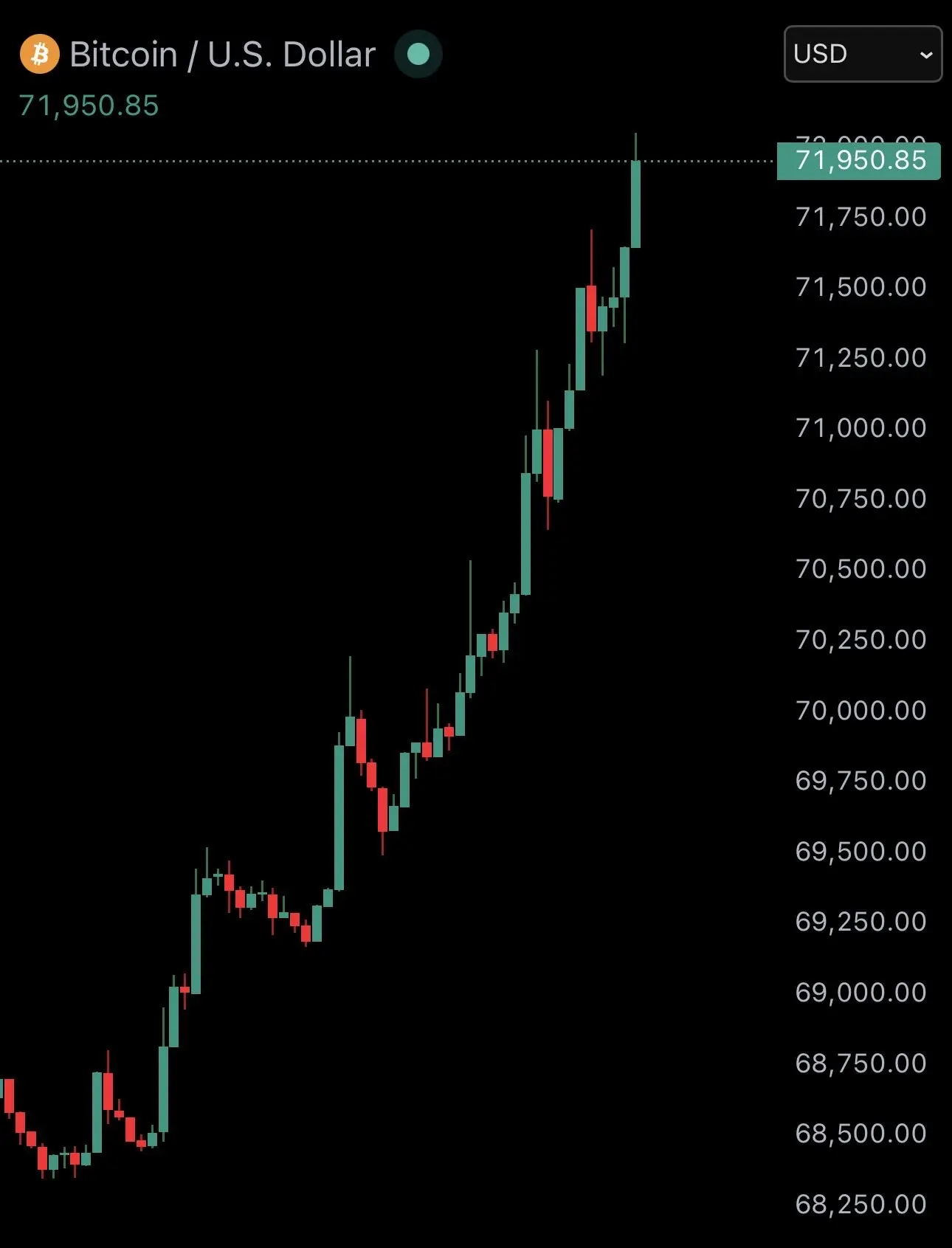
Assets like Bitcoin and Ethereum tend to struggle in such environments. When inflation fears rise and interest rates remain elevated, capital often rotates away from high-volatility assets toward more traditional safe havens or cash equivalents. This shift reduces speculative demand in crypto markets and increases overall price instability.
Another critical layer of impact lies in the cost structure of Bitcoin mining. As energy prices surge, mining operations — especially those heavily dependent on fossil fuels — face significantly higher operational expenses. This can lead to:
Reduced mining profitability
Potential miner capitulation in weaker operations
Increased selling pressure if miners liquidate holdings to cover costs
These dynamics can introduce additional downside pressure on the market, particularly if sustained over time.
At the same time, the narrative around crypto as a safe-haven asset is once again being tested. Historically, during geopolitical crises, capital has flowed into assets like gold or the U.S. dollar. However, crypto’s behavior has been mixed — sometimes acting as a risk asset, other times showing resilience depending on market structure and liquidity conditions.
In this context, it becomes essential to monitor:
Whether capital flows into or out of crypto during continued geopolitical tension
Correlation between crypto and traditional safe havens
Energy price trends and their impact on mining economics
Broader risk sentiment across global markets
Final Insight:
This is not just a geopolitical event — it is a macro stress test for the entire digital asset ecosystem. Rising energy costs, tightening liquidity, and shifting investor behavior are all converging at once.
In the short term, uncertainty dominates.
In the long term, how crypto responds to these shocks will shape its role in the global financial system.
The key question now is not just where the market moves —
but how it behaves under pressure.
#OilPricesRise
#GateSquareAprilPostingChallenge
#CreatorLeaderboard
This spike in oil prices has a cascading macroeconomic effect. Higher energy costs feed directly into global inflation expectations, as transportation, manufacturing, and production expenses rise. For central banks already navigating fragile economic conditions, this creates additional pressure to maintain tighter monetary policies. As a result, liquidity conditions tighten — a key factor that directly impacts risk-sensitive markets, including cryptocurrencies.
Assets like Bitcoin and Ethereum tend to struggle in such environments. When inflation fears rise and interest rates remain elevated, capital often rotates away from high-volatility assets toward more traditional safe havens or cash equivalents. This shift reduces speculative demand in crypto markets and increases overall price instability.
Another critical layer of impact lies in the cost structure of Bitcoin mining. As energy prices surge, mining operations — especially those heavily dependent on fossil fuels — face significantly higher operational expenses. This can lead to:
Reduced mining profitability
Potential miner capitulation in weaker operations
Increased selling pressure if miners liquidate holdings to cover costs
These dynamics can introduce additional downside pressure on the market, particularly if sustained over time.
At the same time, the narrative around crypto as a safe-haven asset is once again being tested. Historically, during geopolitical crises, capital has flowed into assets like gold or the U.S. dollar. However, crypto’s behavior has been mixed — sometimes acting as a risk asset, other times showing resilience depending on market structure and liquidity conditions.
In this context, it becomes essential to monitor:
Whether capital flows into or out of crypto during continued geopolitical tension
Correlation between crypto and traditional safe havens
Energy price trends and their impact on mining economics
Broader risk sentiment across global markets
Final Insight:
This is not just a geopolitical event — it is a macro stress test for the entire digital asset ecosystem. Rising energy costs, tightening liquidity, and shifting investor behavior are all converging at once.
In the short term, uncertainty dominates.
In the long term, how crypto responds to these shocks will shape its role in the global financial system.
The key question now is not just where the market moves —
but how it behaves under pressure.
#OilPricesRise
#GateSquareAprilPostingChallenge
#CreatorLeaderboard