


Futures
Access hundreds of perpetual contracts
TradFi
Gold
One platform for global traditional assets
Options
Hot
Trade European-style vanilla options
Unified Account
Maximize your capital efficiency
Demo Trading
Introduction to Futures Trading
Learn the basics of futures trading
Futures Events
Join events to earn rewards
Demo Trading
Use virtual funds to practice risk-free trading
Launch
CandyDrop
Collect candies to earn airdrops
Launchpool
Quick staking, earn potential new tokens
HODLer Airdrop
Hold GT and get massive airdrops for free
Launchpad
Be early to the next big token project
Alpha Points
Trade on-chain assets and earn airdrops
Futures Points
Earn futures points and claim airdrop rewards


More

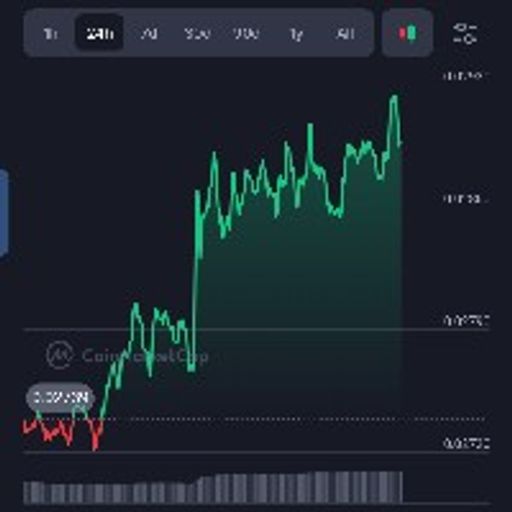



#AAVETokenSwapControversy
AAVE Token Swap Controversy. Governance, Community Trust, and the Challenges of Decentralized Finance
The recent controversy surrounding the AAVE token swap has reignited debates about governance, decentralization, and transparency in the decentralized finance ecosystem. Reports indicate that certain aspects of the token swap process sparked disagreement among community members and investors, raising questions about decision-making procedures and the balance between protocol developers and token holders.
This article presents a twenty point deep analysis exploring the nature of the controversy, its implications for DeFi governance, investor confidence, and the broader ecosystem. Strategic crypto market insight by Vortex_King.
1. Understanding Token Swaps
A token swap involves exchanging one version of a cryptocurrency token for another, often due to protocol upgrades, migration to new smart contracts, or improvements in tokenomics.
2. Purpose of the AAVE Token Swap
The swap was intended to implement updated governance features, improved security protocols, and refined token distribution mechanisms to strengthen the AAVE ecosystem.
3. Governance Challenges
Controversy arose because community members felt the swap process lacked adequate consultation, highlighting the ongoing tension between developer-led initiatives and decentralized governance principles.
4. Communication Gaps
Some token holders reported insufficient communication regarding the rationale, timing, and technical steps of the swap, contributing to distrust and market anxiety.
5. Investor Reaction
Short-term price volatility occurred as uncertainty about the swap’s fairness and transparency spread across exchanges and trading platforms.
6. Smart Contract Risks
Token swaps carry technical risks. Any error in smart contract execution could result in permanent loss of funds, making careful audits essential.
7. Market Psychology
Market participants often react strongly to perceived governance flaws, sometimes irrespective of the underlying technical benefits of a protocol upgrade.
8. Decentralized Decision-Making
The controversy underscores the challenges of implementing decentralized decision-making at scale, particularly when large holders or development teams influence outcomes.
9. Legal and Regulatory Awareness
Although AAVE operates in a decentralized context, regulatory authorities increasingly monitor token swap activities, particularly where investor protection concerns may arise.
10. Community Engagement Mechanisms
Future swaps may benefit from structured governance forums, voting procedures, and transparent documentation to prevent similar controversies.
11. Transparency in Token Economics
Controversy often centers around the perceived fairness of token distribution, vesting schedules, and potential dilution of existing holders.
12. Developer Responsibility
Protocol developers must balance innovation with accountability to the community, ensuring upgrades do not undermine trust or market confidence.
13. The Role of Governance Tokens
AAVE governance tokens are designed to empower holders to participate in protocol decisions. Controversies like this highlight the tension between theoretical governance and practical influence.
14. Communication With Exchanges
Ensuring that exchanges and custodians clearly understand token swaps is crucial to avoid misreporting, liquidity issues, or trading disruptions.
15. Risk Management for Holders
Investors are advised to carefully follow official channels, audit announcements, and smart contract reviews before participating in token swaps.
16. Reputation Impact
Even technical improvements can have reputational consequences if perceived as unfair or poorly executed, affecting long-term adoption.
17. Lessons for DeFi Protocols
Decentralized finance projects must integrate robust communication, risk mitigation, and inclusive governance to maintain trust during major protocol changes.
18. Long-Term Ecosystem Implications
While the swap controversy caused short-term concern, successful implementation and community reconciliation could strengthen AAVE’s long-term resilience.
19. Investor Confidence Recovery
Transparency, technical audits, and structured governance votes are key to restoring confidence after any controversy.
20. Broader Reflection on DeFi
AAVE’s token swap issue exemplifies a recurring challenge in decentralized finance: how to balance protocol innovation with community trust, transparency, and fair governance.
Final Perspective
The AAVE token swap controversy serves as a cautionary tale for the entire DeFi ecosystem. Even well-intended technical upgrades can trigger market anxiety if governance, communication, or fairness are perceived as lacking.
Protocols that prioritize transparency, structured decision-making, and community involvement are better positioned to navigate the complexities of decentralized governance. For investors and market participants, vigilance and careful analysis remain essential when navigating token upgrades in the rapidly evolving DeFi landscape.
Strategic crypto insight by Vortex_King.