

Trade
Basic
Futures
Futures
Hundreds of contracts settled in USDT or BTC
TradFi
Gold
Trade global traditional assets with USDT in one place
Options
Hot
Trade European-style vanilla options
Unified Account
Maximize your capital efficiency
Demo Trading
Futures Kickoff
Get prepared for your futures trading
Futures Events
Participate in events to win generous rewards
Demo Trading
Use virtual funds to experience risk-free trading
Earn
Launch
CandyDrop
Collect candies to earn airdrops
Launchpool
Quick staking, earn potential new tokens
HODLer Airdrop
Hold GT and get massive airdrops for free
Launchpad
Be early to the next big token project
Alpha Points
Trade on-chain assets and enjoy airdrop rewards!
Futures Points
Earn futures points and claim airdrop rewards
Investment
Simple Earn
Earn interests with idle tokens
Auto-Invest
Auto-invest on a regular basis
Dual Investment
Buy low and sell high to take profits from price fluctuations
Soft Staking
Earn rewards with flexible staking
Crypto Loan
0 Fees
Pledge one crypto to borrow another
Lending Center
One-stop lending hub
VIP Wealth Hub
Customized wealth management empowers your assets growth
Private Wealth Management
Customized asset management to grow your digital assets
Quant Fund
Top asset management team helps you profit without hassle
Staking
Stake cryptos to earn in PoS products
Smart Leverage
New
No forced liquidation before maturity, worry-free leveraged gains
GUSD Minting
Use USDT/USDC to mint GUSD for treasury-level yields

More



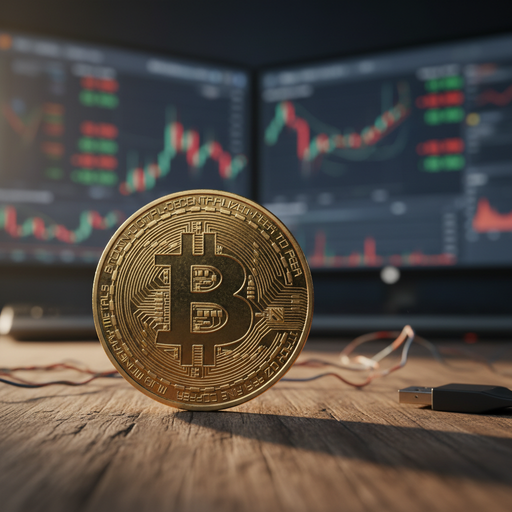



#WhenisBestTimetoEntertheMarket
This is the question every investor asks and in 2026, the answer is more important than ever.
Markets don’t move in straight lines. They move in cycles driven by liquidity, macroeconomic shifts, investor psychology, and institutional flows. The real challenge is not simply entering the market it’s understanding when risk is lowest and opportunity is highest.
Right now, global markets are sitting at a critical transition phase. Bitcoin is trading around the $68K–$70K range, equities remain sensitive to interest rate expectations, and macro uncertainty continues to shape investor behavior. Some participants fear a correction, while others see early signs of the next expansion cycle. This uncertainty is exactly where the biggest opportunities historically emerge.
The truth most successful investors understand is simple:
The best time to enter the market is not when everyone feels comfortable it is when uncertainty is high but fundamentals remain strong.
Consider a typical scenario.
Two investors watch the same market. One waits for prices to fully recover before entering, seeking safety and confirmation. The other gradually accumulates during uncertainty, understanding that markets reward patience and long-term positioning. Over time, the second investor typically benefits from lower average entry prices and stronger long-term returns.
This illustrates one of the most effective strategies: Dollar-Cost Averaging (DCA). Instead of attempting to perfectly time the bottom, investors enter gradually, reducing volatility risk while maintaining exposure to long-term growth.
Market entry timing generally becomes favorable under several conditions:
• When fear dominates market sentiment
• When prices correct but structural demand remains strong
• When macro conditions begin stabilizing after tightening cycles
• When institutional accumulation quietly increases
• When long-term support levels hold despite short-term volatility
Current market conditions in 2026 show several of these characteristics. Liquidity expectations are shifting, institutional participation continues expanding, and blockchain adoption is accelerating globally. These signals suggest markets are transitioning rather than collapsing.
Another key factor is psychology. Retail investors often enter during euphoria and exit during fear the exact opposite of optimal behavior. Understanding emotional cycles is essential for identifying strong entry opportunities.
Smart market participants track leading indicators such as:
• Liquidity trends and central bank policy direction
• Inflation data and interest rate expectations
• Market sentiment indicators
• Institutional capital flows
• Long-term price structure and support zones
When multiple indicators align, entry opportunities strengthen significantly.
However, timing the market perfectly is nearly impossible. What truly matters is time in the market rather than timing the market. Long-term data consistently shows that patient investors who enter during uncertainty outperform those who wait for perfect confirmation.
So, when is the best time to enter the market?
The best time is when strong fundamentals meet temporary fear, when long-term trends remain intact despite short-term volatility, and when disciplined strategy replaces emotional decision-making.
Markets reward preparation, patience, and perspective. The greatest opportunities rarely appear obvious in the moment they become clear only in hindsight.
The question is not whether the market will create opportunities.
The real question is whether you will be ready when it does.