

Trade
Basic
Futures
Futures
Hundreds of contracts settled in USDT or BTC
TradFi
Gold
Trade global traditional assets with USDT in one place
Options
Hot
Trade European-style vanilla options
Unified Account
Maximize your capital efficiency
Demo Trading
Futures Kickoff
Get prepared for your futures trading
Futures Events
Participate in events to win generous rewards
Demo Trading
Use virtual funds to experience risk-free trading
Earn
Launch
CandyDrop
Collect candies to earn airdrops
Launchpool
Quick staking, earn potential new tokens
HODLer Airdrop
Hold GT and get massive airdrops for free
Launchpad
Be early to the next big token project
Alpha Points
Trade on-chain assets and enjoy airdrop rewards!
Futures Points
Earn futures points and claim airdrop rewards
Investment
Simple Earn
Earn interests with idle tokens
Auto-Invest
Auto-invest on a regular basis
Dual Investment
Buy low and sell high to take profits from price fluctuations
Soft Staking
Earn rewards with flexible staking
Crypto Loan
0 Fees
Pledge one crypto to borrow another
Lending Center
One-stop lending hub
VIP Wealth Hub
Customized wealth management empowers your assets growth
Private Wealth Management
Customized asset management to grow your digital assets
Quant Fund
Top asset management team helps you profit without hassle
Staking
Stake cryptos to earn in PoS products
Smart Leverage
New
No forced liquidation before maturity, worry-free leveraged gains
GUSD Minting
Use USDT/USDC to mint GUSD for treasury-level yields

More


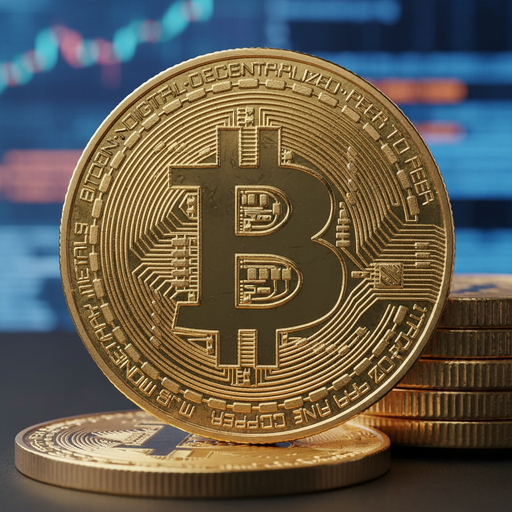




#HongKongIssueStablecoinLicenses
Hong Kong is set to make a major move in the cryptocurrency space, as its regulator plans to issue the first stablecoin issuer licenses in March 2026 under a newly established regulatory framework. This marks a critical milestone for the region, which aims to position itself as a global hub for compliant and secure digital asset issuance. Initially, the regulator will grant only a limited number of licenses, reflecting a cautious, phased approach designed to balance innovation with risk management.
The new framework seeks to provide legal clarity for stablecoin issuers while ensuring robust consumer protection, financial stability, and compliance with anti-money laundering (AML) and counter-terrorism financing (CTF) regulations. Stablecoins, by nature, are intended to maintain a stable value, often pegged to fiat currencies, making them essential for payments, trading, and decentralized finance ecosystems. By establishing a licensing regime, Hong Kong is signaling that it aims to attract serious, compliant operators, while deterring unregulated activity that could undermine market confidence.
From a broader perspective, the phased approach reflects prudence. Issuing a limited number of licenses initially allows regulators to monitor operational practices, risk management frameworks, and governance standards among early adopters before scaling the program. This ensures that the market develops responsibly and reduces the likelihood of systemic risks associated with poorly managed stablecoins. For investors and institutions, this move offers reassurance that the stablecoins operating under licensed frameworks will meet high regulatory standards, increasing trust in the broader ecosystem.
My personal insight is that this is a strategic opportunity for both issuers and market participants. Licensed stablecoins in Hong Kong are likely to become highly credible, attracting institutional adoption, cross-border transactions, and integration into global payment systems. Early movers that meet the regulatory standards may gain a first-mover advantage, benefiting from market trust, enhanced liquidity, and preferential partnerships. At the same time, cautious investors should monitor the initial licensees closely, as the framework is new and real-world performance under regulatory scrutiny will set the tone for market confidence.
For market participants, my advice is to treat Hong Kong’s licensing framework as a benchmark for regulatory best practices. Investors can use this information to assess which stablecoins are likely to gain adoption and credibility in regulated markets. Institutions looking to participate in payments, trading, or custody services should align with licensed issuers, as this reduces compliance risk and enhances operational security. I also see this as a signal that other jurisdictions may follow similar models, making compliance, transparency, and governance increasingly important for long-term stablecoin viability.
It is also worth noting that the success of Hong Kong’s licensing initiative will depend on its ability to balance regulation and innovation. Overly restrictive requirements could stifle innovation, while lax oversight could jeopardize financial stability. Licensed stablecoins that strike this balance effectively are likely to set global benchmarks, influencing international regulatory norms and cross-border payment standards. This creates an opportunity for Hong Kong to establish itself as a leader in regulated digital finance.
In conclusion, the issuance of the first stablecoin licenses in Hong Kong represents a pivotal moment for the region and the global stablecoin market. By introducing a structured, compliant framework and limiting initial licenses, regulators aim to foster trust, protect consumers, and encourage responsible innovation. From my perspective, this development offers significant opportunities for early adopters and investors willing to engage with licensed operators. Strategic monitoring, alignment with compliance standards, and a long-term perspective will be essential for capitalizing on this evolving market.
Bottom Line: Hong Kong’s stablecoin licenses are likely to become a reference point for global regulation. Investors and institutions should view licensed stablecoins as credible, compliant options while remaining attentive to operational performance and regulatory evolution. Early engagement with licensed operators offers both strategic insights and potential market advantage.