

Trade
Trading Type
Spot
Trade crypto freely
Pre-Market
Trade new tokens before they are officially listed
Margin
Magnify your profit with leverage
Convert & Block Trading
0 Fees
Trade any size with no fees and no slippage
Alpha
Points
Get promising tokens in streamlined on-chain trading
Leveraged Tokens
Get exposure to leveraged positions simply
Futures
Futures
Hundreds of contracts settled in USDT or BTC
Options
HOT
Trade European-style vanilla options
Unified Account
Maximize your capital efficiency
Demo Trading
Futures Kickoff
Get prepared for your futures trading
Futures Events
Participate in events to win generous rewards
Demo Trading
Use virtual funds to experience risk-free trading
Earn
Launch
CandyDrop
Collect candies to earn airdrops
Launchpool
Quick staking, earn potential new tokens
HODLer Airdrop
Hold GT and get massive airdrops for free
Launchpad
Be early to the next big token project
Alpha Points
NEW
Trade on-chain assets and enjoy airdrop rewards!
Futures Points
NEW
Earn futures points and claim airdrop rewards
Investment
Simple Earn
Earn interests with idle tokens
Auto-Invest
Auto-invest on a regular basis
Dual Investment
Buy low and sell high to take profits from price fluctuations
Soft Staking
Earn rewards with flexible staking
Crypto Loan
0 Fees
Pledge one crypto to borrow another
Lending Center
One-stop lending hub
VIP Wealth Hub
Customized wealth management empowers your assets growth
Private Wealth Management
Customized asset management to grow your digital assets
Quant Fund
Top asset management team helps you profit without hassle
Staking
Stake cryptos to earn in PoS products
BTC Staking
HOT
Stake BTC and earn 10% APR
GUSD Minting
Use USDT/USDC to mint GUSD for treasury-level yields


More
Promotions
Activity Center
Join activities and win big cash prizes and exclusive merch
Referral
20 USDT
Earn 40% commission or up to 500 USDT rewards
Announcements
Announcements of new listings, activities, upgrades, etc
Gate Blog
Crypto industry articles
VIP Services
Huge fee discounts
Proof of Reserves
Gate promises 100% proof of reserves

Trending Topics
View More145.1K Popularity
14.6K Popularity
83.77K Popularity
1.61K Popularity
2.12K Popularity



Pin
#美联储降息预期升温 $BTC
Bitcoin's "purchasing power" against precious metals is shrinking, and this market change is worth paying attention to.
Recent data is quite striking:
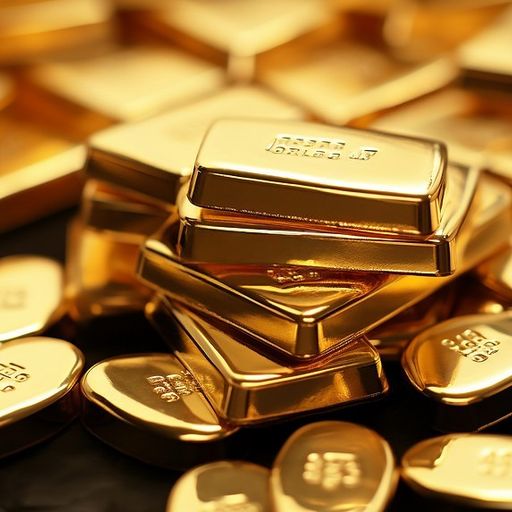
· In January this year, 1 Bitcoin could still be exchanged for nearly 38 ounces of gold. Now? Only 19 ounces. A direct halving.
· The exchange rate for silver has fallen even more sharply. Since its peak in May, its purchasing power has evaporated by two-thirds.
In other words, those who regard Bitcoin as "digital gold" for allocation are now facing a situation where it has temporarily downgraded to "digital silver."
However, from an absolute position, compared to the bottom of the 2022 bear market (when 1 BTC could only buy 9 ounces of gold), it is still positioned higher. But this pace of decline does make people a bit nervous.
The underlying logic is quite clear — two forces are pulling:
On one side, traditional precious metals are re-attracting capital amid global uncertainties. Gold's safe-haven properties are active again, and silver, supported by industrial demand, looks stable. They are "old assets" with a century of historical heritage.
On the other side, Bitcoin, after its rapid rise earlier, is now entering a digestion phase. Capital may be reallocating, and the market is waiting for new certainty signals. As a "new contender," its momentum is still there, but it indeed needs to adjust its pace.
From an asset allocation perspective, this isn't about who wins or loses, but about the market re-evaluating the roles of various assets in the current environment. Different cycles have different protagonists, and true stability comes from understanding the logic behind these rotations.
Right now, money is voting with its feet. What do you think?