

Trade
Trading Type
Spot
Trade crypto freely
Pre-Market
Trade new tokens before they are officially listed
Margin
Magnify your profit with leverage
Convert & Block Trading
0 Fees
Trade any size with no fees and no slippage
Alpha
Points
Get promising tokens in streamlined on-chain trading
Leveraged Tokens
Get exposure to leveraged positions simply
Futures
Futures
Hundreds of contracts settled in USDT or BTC
Options
HOT
Trade European-style vanilla options
Unified Account
Maximize your capital efficiency
Demo Trading
Futures Kickoff
Get prepared for your futures trading
Futures Events
Participate in events to win generous rewards
Demo Trading
Use virtual funds to experience risk-free trading
Earn
Launch
CandyDrop
Collect candies to earn airdrops
Launchpool
Quick staking, earn potential new tokens
HODLer Airdrop
Hold GT and get massive airdrops for free
Launchpad
Be early to the next big token project
Alpha Points
NEW
Trade on-chain assets and enjoy airdrop rewards!
Futures Points
NEW
Earn futures points and claim airdrop rewards
Investment
Simple Earn
Earn interests with idle tokens
Auto-Invest
Auto-invest on a regular basis
Dual Investment
Buy low and sell high to take profits from price fluctuations
Soft Staking
Earn rewards with flexible staking
Crypto Loan
0 Fees
Pledge one crypto to borrow another
Lending Center
One-stop lending hub
VIP Wealth Hub
Customized wealth management empowers your assets growth
Private Wealth Management
Customized asset management to grow your digital assets
Quant Fund
Top asset management team helps you profit without hassle
Staking
Stake cryptos to earn in PoS products
BTC Staking
HOT
Stake BTC and earn 10% APR
GUSD Minting
Use USDT/USDC to mint GUSD for treasury-level yields


More
Promotions
Activity Center
Join activities and win big cash prizes and exclusive merch
Referral
20 USDT
Earn 40% commission or up to 500 USDT rewards
Announcements
Announcements of new listings, activities, upgrades, etc
Gate Blog
Crypto industry articles
VIP Services
Huge fee discounts
Proof of Reserves
Gate promises 100% proof of reserves





A major online lending platform in China once experienced a painful episode of international expansion. Equipped with top domestic big data risk control models and biometric recognition technology, they confidently entered the Indian market—thinking it would be an easy "dimensionality reduction" move. But reality hit them hard: the bad debt rate skyrocketed to 40%-80%.
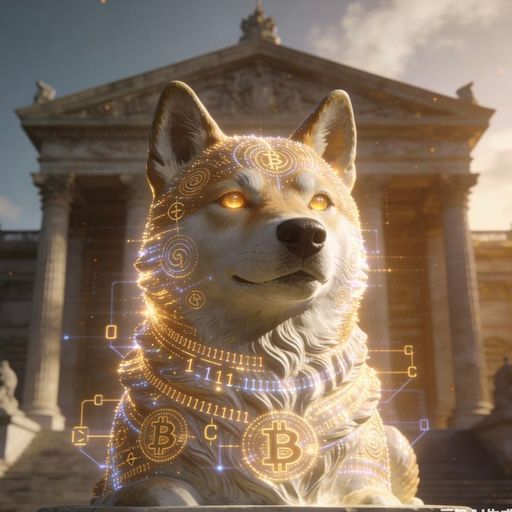
The truly outrageous part followed. Collection agents diligently urged for repayment, while the other party casually asked, "Since you’re so wealthy, can you lend me a little more?" Some even uploaded pictures of their dogs to pass identity verification— and the system simply approved it. The core issue exposed here isn’t technical failure, but a massive disconnect between technology and reality.
Why is this happening? Because over 80% of India's population has no credit history at all. The consumer data that algorithms in the Chinese market rely on so heavily is almost nonexistent in India. Even more painfully, Indians change professions at an astonishing rate—someone might be a Bollywood extra in the morning and a street vendor in the afternoon. Any risk control model based on historical data would collapse in such a highly mobile environment.
This story serves as a mirror for the DeFi ecosystem. Today’s crypto finance world is making similar mistakes. We indulge in complex smart contracts and algorithms, believing that code can solve all financial risks. But what about reality? The essence of financial risk isn’t just a mathematical problem; at a deeper level, it’s a human and cultural issue. The power of technology is as great as its limitations—everything depends on the social soil in which it operates. The next test for DeFi is whether these protocols can truly understand and adapt to market differences across regions and cultures. Otherwise, no matter how clever the algorithms are, they’re just pretty paper tigers.