Investor relations is the function responsible for helping the market understand an asset, its strategy, and its potential. It's the bridge between the issuer and the market.
When I first entered the crypto industry, this is what passed for good IR.
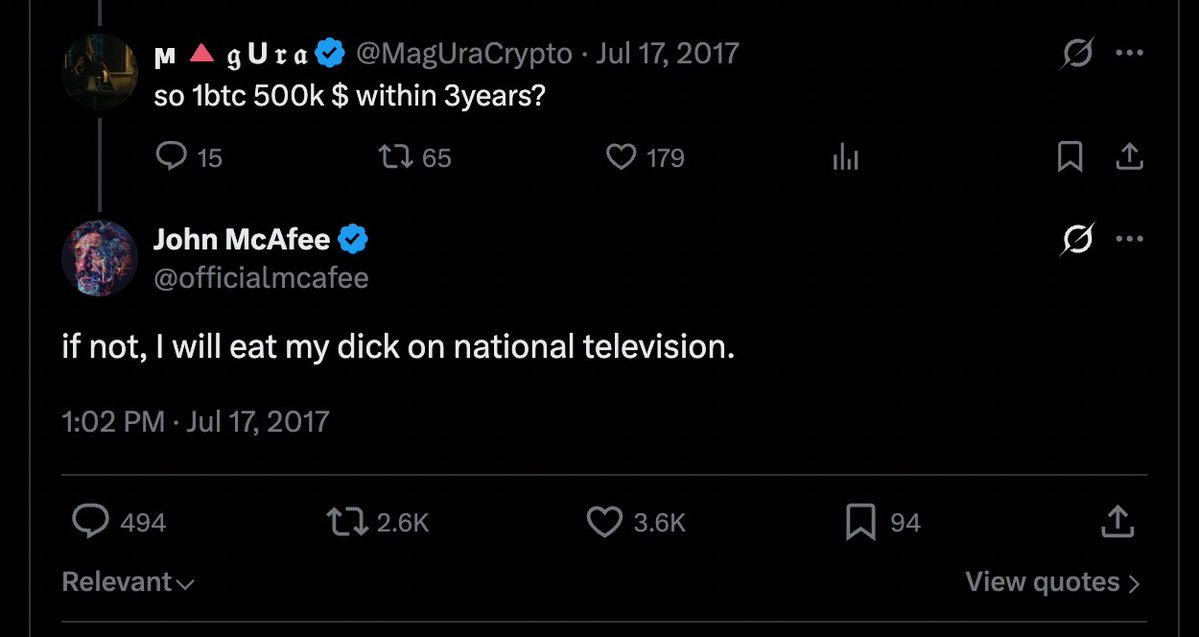
We've come a long way since then in some respects, but in terms of how we speak to investors, we are behind where we need to be.
Done well, IR can help expand your buyer universe and improve the quality of your holder base. Done poorly, or worse not at all, your token will be down only no matter how good your product is.
I have spent the past year speaking to every blue chip name in crypto about setting up their investor relations product and currently work with 20+.
This article is a practical guide to getting communication with investors right.
1. Distribution is king
If you want to maximize the value of your token, there are only two factors.
A good IR strategy should optimize for both.
The relevant universe of token buyers is really only split into two camps. The first is liquid crypto funds. These are active managers who already hold a position or are tracking your token. For them, the game is re-rating, i.e getting a fund that prices you at $1 to see a path to $5. You do that through sharp data, clear narratives, and consistent proof of progress. This is a storytelling and metrics exercise.
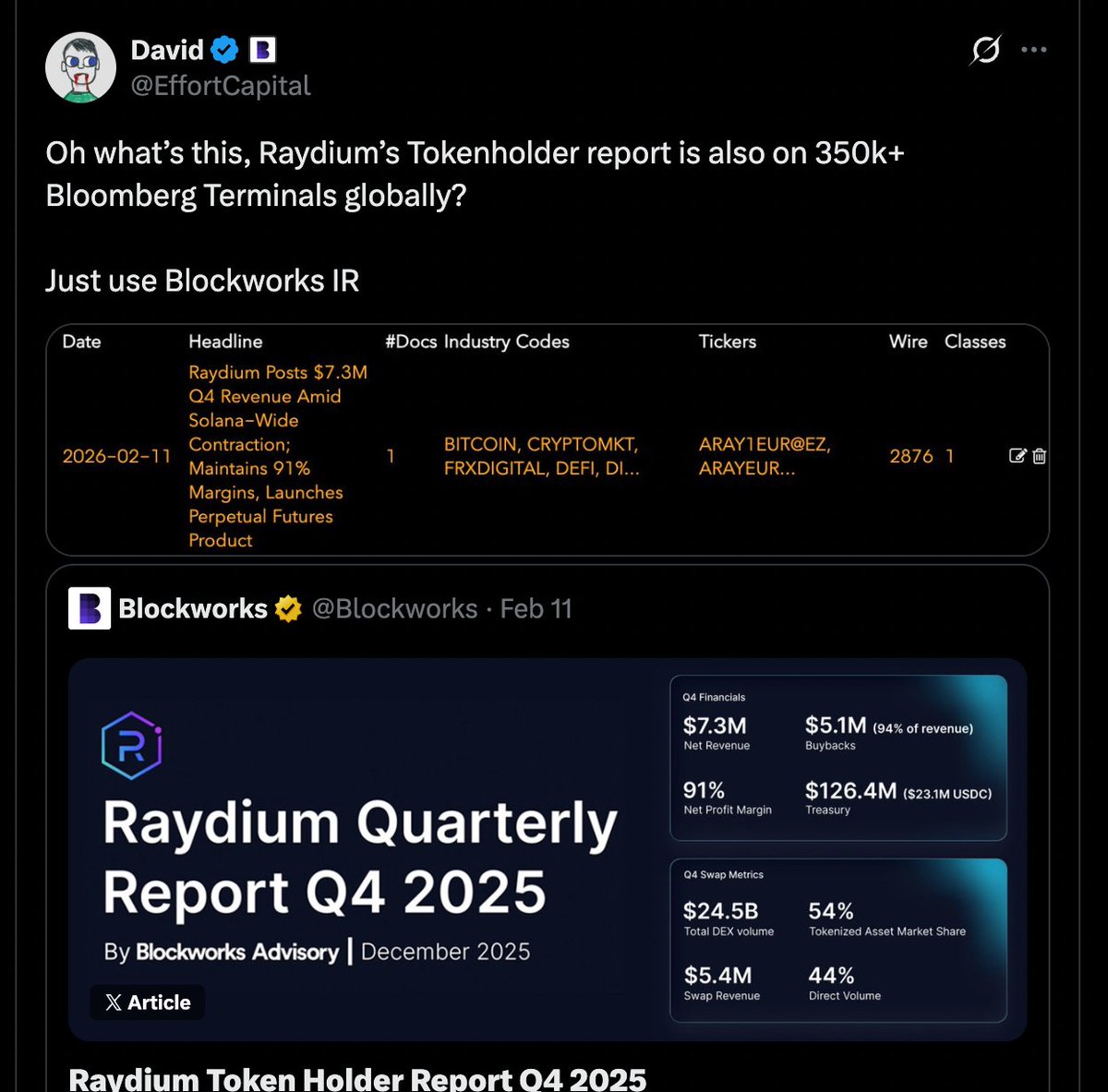
The second camp is large strategic or institutional investors, think the recent Morpho x Apollo deal or BlackRock and Uniswap. This is a fundamentally different motion. The sales cycle is longer, the due diligence is heavier, and you need a mature product to even be in the conversation. If you're early-stage or need capital on a short timeline, just being honest, this isn't for you. But if you're ready, you should be meeting these investors where they live, on Bloomberg terminals, at institutional conferences, and through IRL relationship-building. Think B2B sales mentality, not marketing.
2. Own your narrative
If you do not tell your story, the market will tell it for you.
The reality is that most protocols do not have perfect numbers. That is okay.
What isn't okay is trying to hide and going silent for months at a time. The most common refrain I hear is "I don't want to get dragged on Twitter."
Projects do not die from getting made fun of on Twitter, they die from investors forgetting they exist. And the longer you don't speak to the market, the angrier and more disillusioned your investors will become.
You do not need flawless metrics. You need honesty, context, and a coherent explanation of what matters, what is improving, and what still needs work.
That is what is required to build trust. Go silent and you lose it.
3. Token unlocks
Token issuers must worship at the altar of supply and demand.
If you want to understand the destiny of your price chart, you really only need to understand these dynamics. Often managing prices is more a tactical exercise of matching these two factors than anything else.
The biggest mistake I see is teams beginning to think about unlocks one to two months out. You simply do not have enough time to fix a massive supply - demand imbalance in 30 days.
At an absolute minimum you should begin strategizing 30 weeks out, best is 40-50. It takes time to line up buyers, identify supply sinks, and potentially communicate with investors if you need to push unlocks out.
This is the gritty, unsexy, but very necessary part of IR. Give yourself the runway to manage it.
4. Data is your best friend
Narrative matters. But in 2026, if you don't have the data to back it up, it's useless.
The best IR programs leverage data to make a token easier to understand, compare, and underwrite. It should tell a story.
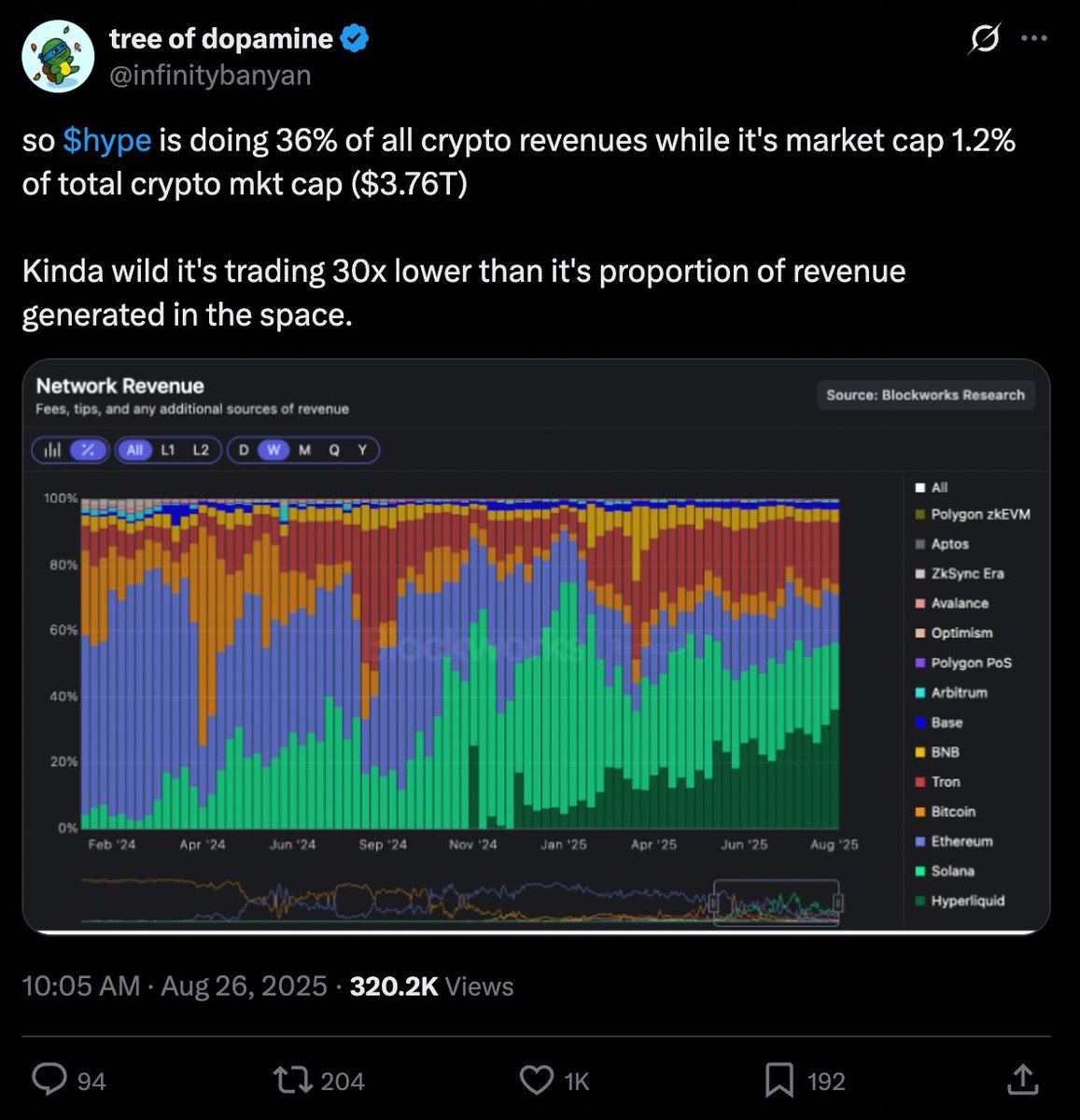
That data can come from multiple places:
-
Proprietary data from your own protocol
-
Onchain market structure data
-
Comparative data across competitors
-
Real-world analogs that make crypto-native behavior legible to broader investors
This last category is so, SO underused today. Great investor comms don't just show your internal dashboard. It helps an investor understand where your protocol fits in a larger context.
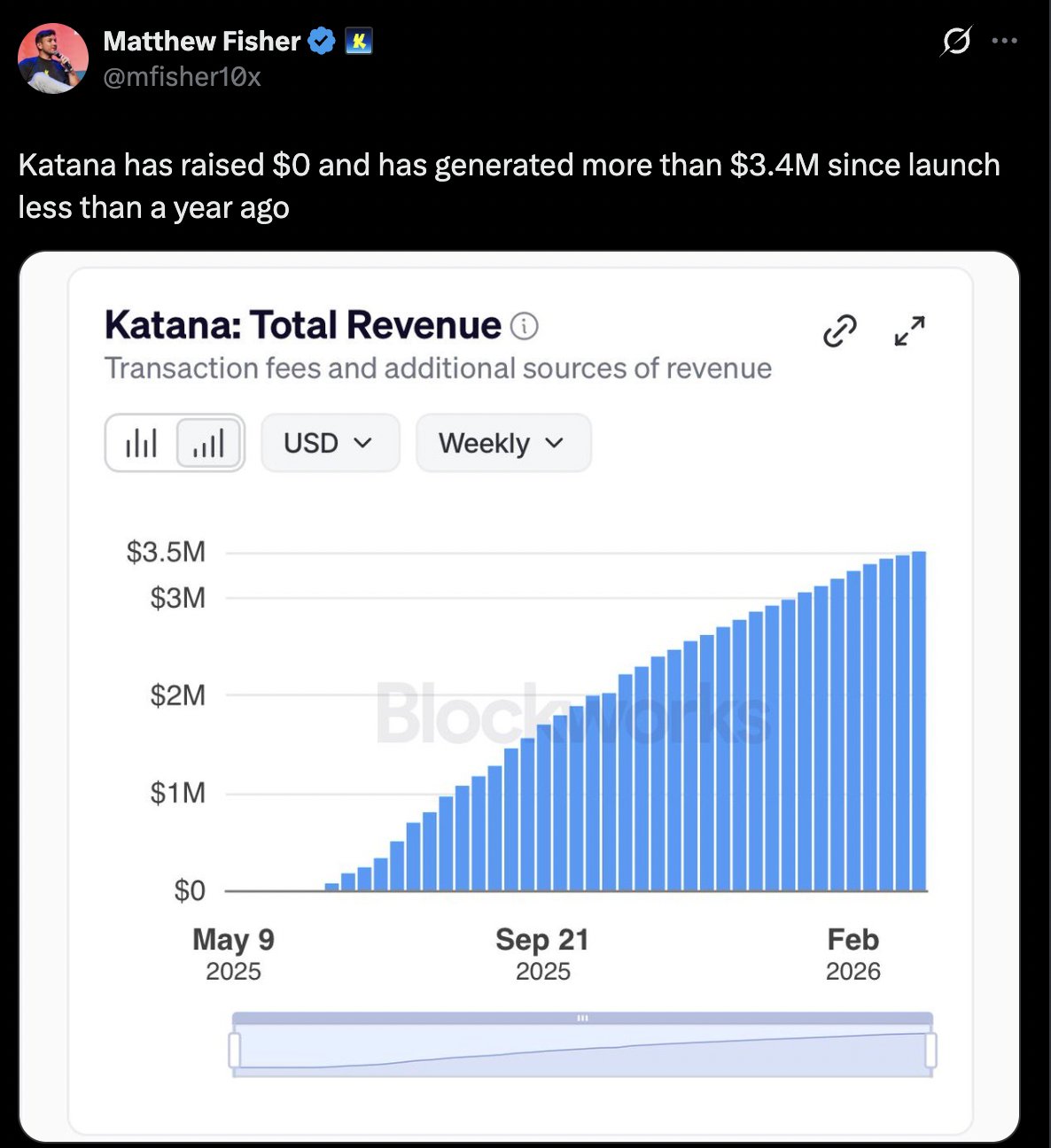
Example: You run IR for a perp DEX. You have a dashboard that shows $75M worth of volume last month. Is that... good? Is that... horrendous? What peers should investors compare you to? Should investors be running to buy or running for the exits?
When I look out into crypto today, I see a lot of data and almost no context. Good teams don't just report numbers, they tell a story.
5. IR isn't a box checking compliance exercise
Most people assume investor relations in crypto will look the same as it does in equities.
The only issue with that is that IR in equities is boring.
Don't want to take my word it?
Listen to what Vlad Tenev has to say.
Vlad envisions a world where instead of dry speeches given by CFOs to 60 sell-side analysts on a zoom link, earnings calls are an experience akin to a post-game NBA interview.
I agree with him. Blockworks has 8 years experience running marketing campaigns that are goal oriented, supported with analytics, and lean into IRL and social media.
IR should be run the same way. The goal is not simply to “inform the market.” The goal is to engage current investors, deepen conviction, and expand the set of future investors who can own the token.
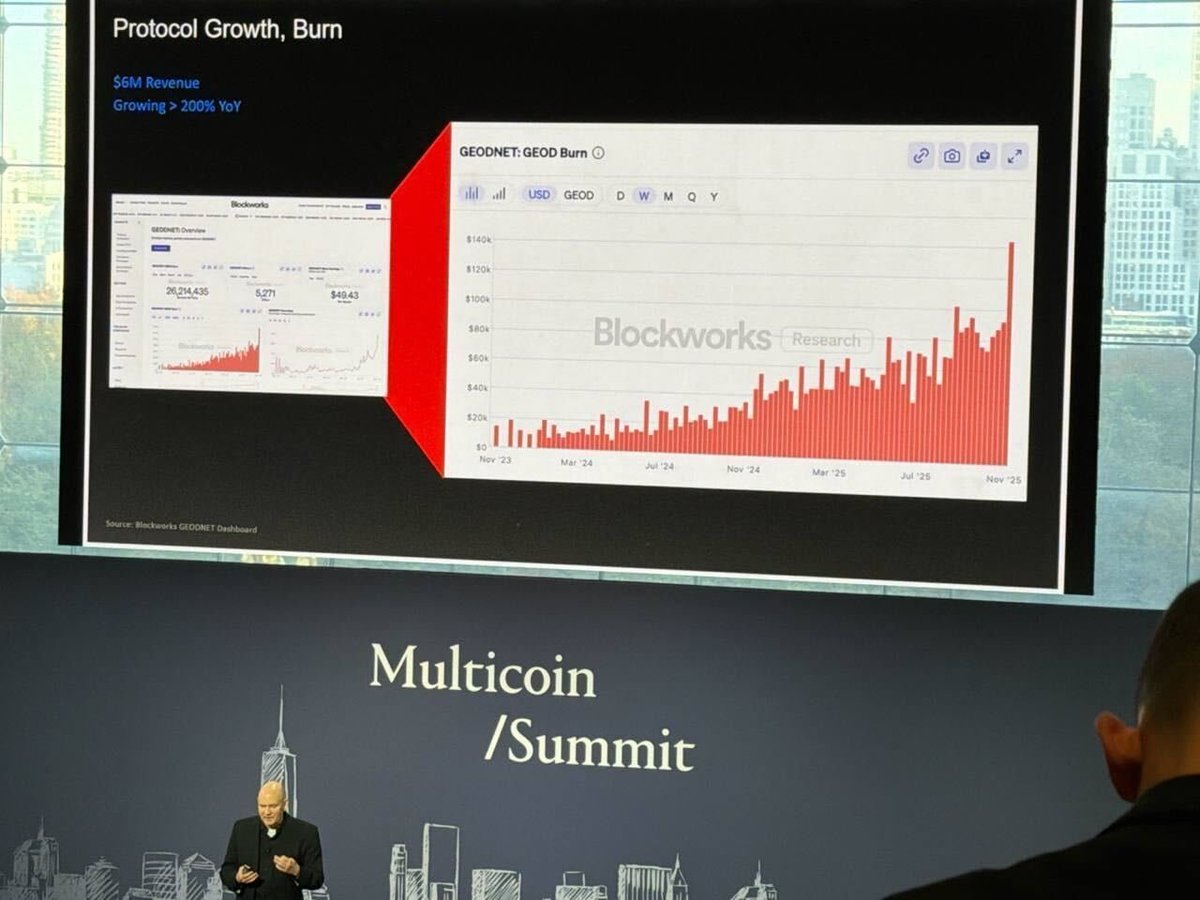
So what does the future look like? Earnings days! Livestream with your CEO and influential guests. Yano's on your cap table? Get him in coach, let the man spin!
Engage your audience of investors and acquire new ones.
6. Reduce friction for potential investors
Every liquid fund today has to justify its positions to LPs.
That means due diligence, and that means investor reports. If you have no data, research, or context about your protocol out there, then you are forcing every potential investor to build that case from scratch.
You are literally increasing the cost of investing in you, which means that fewer of them will do it.
Make it easy for them. Flood the zone with good information: research reports, protocol analytics, ecosystem updates, third-party analysis. Make it trivially easy for a fund analyst to write the memo that gets your token into the portfolio.
7. Without analytics, you’re flying blind
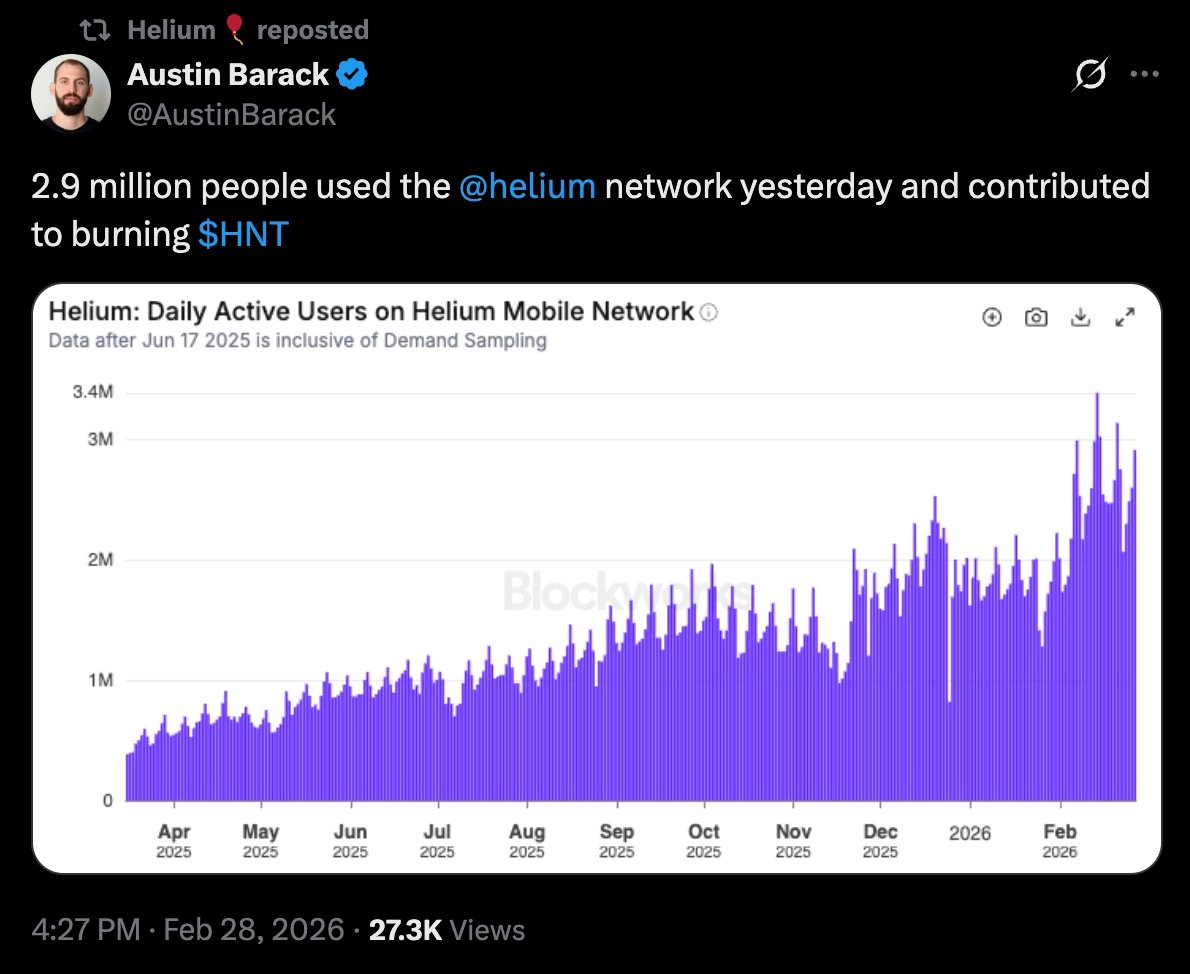
Even the most sophisticated protocols in crypto have a shockingly poor understanding of who their investors actually are. Basic behavioral analysis, like how long does a given investor actually hold? Are they hedging with perps the moment your token launches? It is almost nonexistent.
Onchain data makes this knowable in ways that equities IR teams can only dream of.
If an investor tells you they're a long-term believer, the truth is written in stone onchain. The protocols that build this analytical layer into their IR function will have an enormous edge, not just in understanding their current base, but in identifying who to target next.
8. Transparency increases TAM
Most teams operate with the instinct that less disclosure is safer, but in reality the opposite is true.
Investors are already underwriting uncertainty around your token (unlocks, treasury spend, unstandard MM agreements, etc...). If you don’t provide answers, the market doesn’t ignore those questions, it fills in the blanks in the least charitable way possible.
It's impossible to measure the cost of poor transparency. You won’t know how many investors passed on your token because the information was incomplete or hard to verify. But that cost is real.
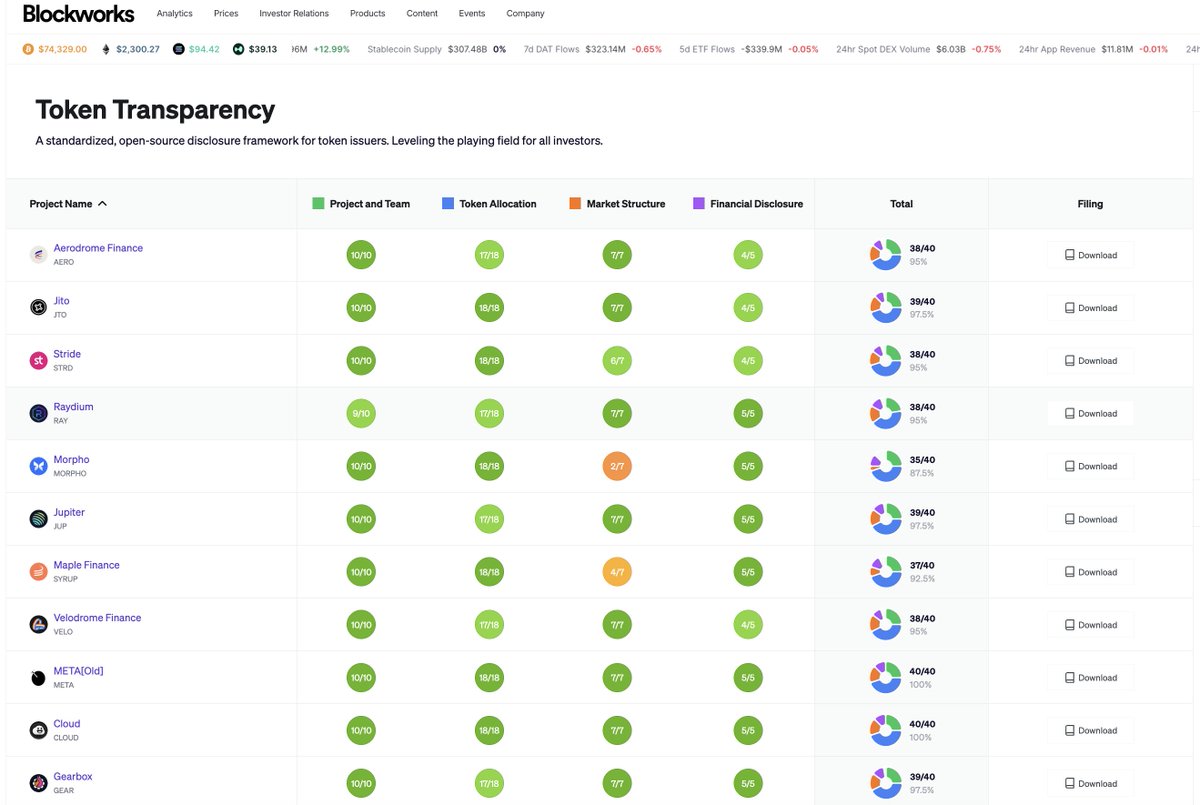
Frameworks like Blockworks’s Token Transparency Framework (TTF) or DeFi Llama’s Token Rights pages are designed to help teams standardize how info is presented to investors. It also reduces the overhead for teams, so they don’t need to answer the same 20 one off questions from investors initiating DD on the token.
9. Metrics for success
It's tempting to measure the success of your IR program by token price.
The issue is that price is noisy and influenced by many things far outside an IR team’s control: macro, liquidity conditions, sentiment, invading Iran, you get the drift.
A better approach is to measure whether your IR program improved the quality and breadth of your investor base.
A few metrics worth tracking:
-
Growth in the number of relevant investors actively engaged with the token
-
Growth in the number of high-quality holders by segment, especially liquid funds and strategic investors
-
Change in concentration of the holder base
-
Number of investors moved from first meeting to active diligence to ownership
-
Share of top holders who are aligned with your desired hold duration
-
Volume and quality of investor touch points over the year
-
Increase in inbound investor interest
-
Coverage in the channels that matter to your target buyer universe
-
Improvement in investor understanding of your thesis, as measured through direct conversations and feedback loops
For liquid funds, one useful question is whether more investors now have a defined valuation framework for your token than they did a year ago. Not everyone needs to own you today. But if more of the right people now know how to think about your token, what milestones matter, and what price would make it attractive, that is real progress.
Success isn't just “did price go up.” It is “did we expand and improve the market that can own us.”
The road ahead
Blockworks is building in this direction because the state of tokens is an existential challenge for our industry.
The unfortunate truth today is that most tokens aren’t investable. Jason and I genuinely care about fixing this problem, and our experience at Blockworks over the years has given us a glimpse into what we think the future looks like.
Tokens should be even more transparent and investor friendly than equities because they are built on crypto rails. There’s a strong incentive for token projects to work towards this world because it drastically increases their TAM.
But more than that, IR hasn’t been innovated on in a long time. To Jason and me, it’s clear the future of IR isn’t a boring box ticking exercise. It’s lively, multimedia, and engaging. It goes on the offensive with IRL engagements, big social media splashes, and actively tells a story to bring on new investors.
This is the direction the industry must go. If you’re a token project and this speaks to you at all, reach out.
Also if you want you can read this article on the Blockworks site, where it will live in perpetuity.
Acknowledgments
Thank you to Jesse Walden, Ben Forman, Ryan Watkins, Felipe Montealegre, Jim Parillo and Cosmo Jiang for valuable review.
The views expressed in this post are solely my own, and do not necessarily reflect those of the reviewers.
Disclaimer:
-
This article is reprinted from [MikeIppolito_]. All copyrights belong to the original author [MikeIppolito_]. If there are objections to this reprint, please contact the Gate Learn team, and they will handle it promptly.
-
Liability Disclaimer: The views and opinions expressed in this article are solely those of the author and do not constitute any investment advice.
-
Translations of the article into other languages are done by the Gate Learn team. Unless mentioned, copying, distributing, or plagiarizing the translated articles is prohibited.







