This comprehensive beginner's guide explores GRT token and The Graph protocol, a decentralized data indexing solution revolutionizing blockchain data access. The article explains how The Graph uses GraphQL technology to enable efficient querying across blockchain networks through indexers, curators, delegators, and consumers. Discover GRT tokenomics with its 10 billion total supply, designed to reward network participants while maintaining economic sustainability. Learn The Graph's decentralized architecture benefits including enhanced data access, security, and economic incentives, alongside challenges like complexity and competition. Whether you're a developer building decentralized applications or investor exploring Web3 infrastructure, this guide provides essential insights into GRT's role in powering the next generation of blockchain-based services across Gate and major trading platforms.
What is The Graph?
The Graph represents a fundamental paradigm shift in how blockchain data is approached and utilized within the decentralized ecosystem. By employing a sophisticated decentralized indexing and querying protocol, The Graph addresses one of the most significant challenges in blockchain technology: the efficient and scalable access to decentralized data. This challenge has long been a critical bottleneck for developers and organizations seeking to build comprehensive, user-centric decentralized applications that can compete with traditional centralized alternatives.
The strategic utilization of GraphQL, a query language originally developed by Facebook in 2012, distinguishes The Graph from conventional data management solutions. GraphQL's power lies in its exceptional efficiency and flexibility, enabling developers to retrieve multiple resources in a single request rather than making numerous separate calls. This contrasts sharply with the more rigid structures of traditional query languages, which often require multiple requests to gather equivalent amounts of data, resulting in slower performance and increased complexity. By integrating GraphQL into its core architecture, The Graph empowers developers to construct more sophisticated, dynamic user interfaces and experiences, effectively pushing the boundaries of what's possible in the realm of decentralized applications.
The democratization of data access represents another cornerstone of The Graph's foundational philosophy. In traditional centralized systems, data is typically siloed and controlled by a single entity, leading to gatekeeping practices and potential manipulation of information. The Graph's decentralized approach fundamentally ensures that data is accessible to anyone within the network, fostering a more open, transparent, and equitable blockchain ecosystem. This openness is crucial for the continued innovation and sustainable growth of DeFi and Web3 technologies, as it effectively removes barriers to entry for developers and companies alike, leveling the playing field and encouraging a more vibrant and diverse range of applications and services across the blockchain landscape.
How Does The Graph Work?
The Graph's operational framework represents a masterpiece of distributed system design, carefully balancing the critical needs of efficiency, security, and decentralization. Each role within the ecosystem plays a specific, vital part in maintaining the network's integrity and optimal performance:
Indexers serve as the foundational backbone of The Graph's infrastructure. By staking GRT tokens, indexers commit to providing accurate, timely indexing and querying services to the network. This staking mechanism ensures that indexers have substantial economic incentive aligned with network health, creating a powerful system that encourages responsible behavior and deters malicious or negligent actions. Indexers operate nodes that process blockchain data, create indexes, and respond to queries from consumers.
Curators function as the expert guides who direct the network towards the most valuable data sources. Their role involves carefully assessing the vast landscape of available blockchain data and identifying those datasets that will bring the most value to users and developers. By depositing GRT tokens on specific subgraphs, curators send clear signals to indexers about the importance of these data sets, directly influencing the network's priorities and ensuring that the most relevant and useful data is readily available and properly maintained.
Delegators enhance the network's security and efficiency without the technical requirements of running a node themselves. By delegating their GRT tokens to trusted indexers, delegators support the overall health and decentralization of the network while earning rewards for their contribution. This role is crucial for individuals who wish to participate in the network's success but lack the technical resources or expertise to become indexers themselves, thereby broadening participation in the ecosystem.
Consumers are the end-users—the developers and organizations that query The Graph for data to build and run their decentralized applications. Their queries, paid for with GRT tokens, drive the economic cycle of the network, compensating indexers, curators, and delegators for their contributions. Consumer needs and demands shape the network's evolution, ensuring that The Graph remains responsive and relevant to the community it serves.
The Graph Tokenomics
The economic model of The Graph revolves around the GRT token, which serves multiple critical purposes within the ecosystem. GRT functions as a staking token used by indexers, curators, and delegators to participate in network operations and governance. The token also serves as a utility token for paying query fees, creating a circular economy that aligns the interests of all network participants.
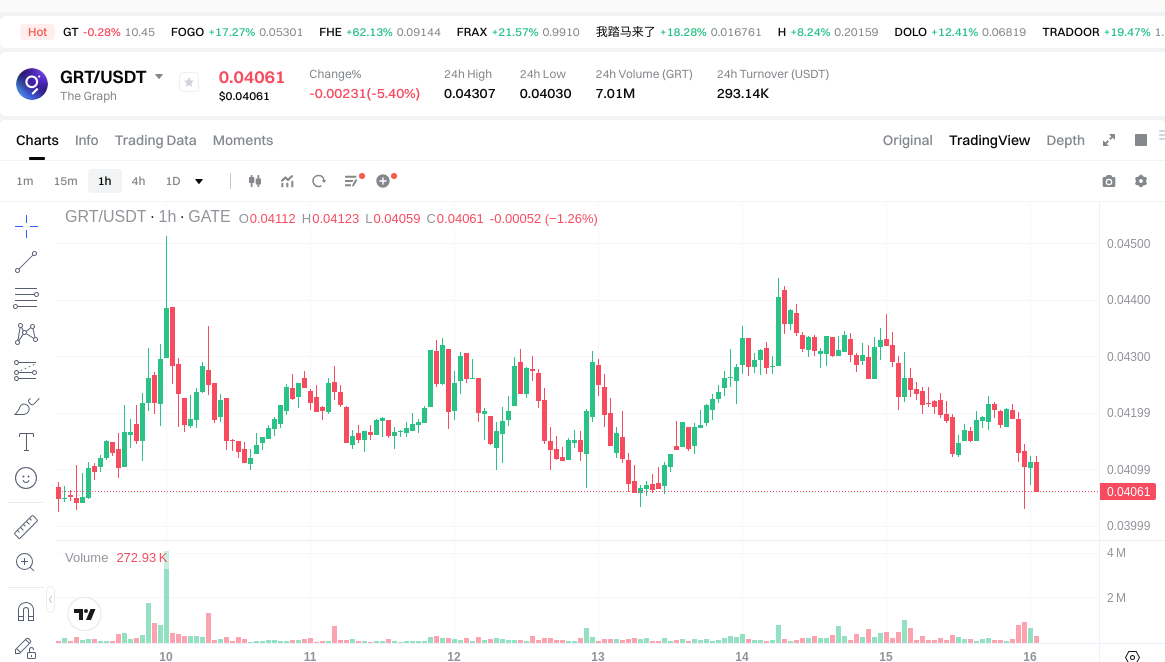
The initial total supply of 10 billion GRT tokens is managed through a carefully calibrated combination of issuance and burning mechanisms. New tokens are issued to reward network participants for their contributions, while certain fees are burned to control inflation. This economic design ensures that while the network grows and adequately rewards contributors, it also maintains a healthy inflation rate, thereby preserving the token's long-term value and purchasing power. The tokenomics model is designed to be sustainable over extended periods, balancing growth incentives with value preservation.
The Graph Network Structure
One of The Graph's most significant innovations lies in its decentralized network structure. By distributing the responsibilities of data indexing, curating, and querying across an extensive network of independent participants, The Graph effectively mitigates the risks commonly associated with centralized data management systems. This strategic approach not only bolsters data security and reliability but also guarantees the network's capability to scale horizontally in response to increasing demand.
The collaborative and distributed nature of this structure nurtures a vibrant ecosystem, ripe with opportunities for innovation and continuous improvement. As participants from various roles contribute to the network's evolution through their specialized functions, The Graph remains at the cutting edge of blockchain data management technology. This continuous integration of technological advancements and community feedback ensures that The Graph can adapt to the changing needs of the blockchain community, maintaining its pivotal role in the development of the decentralized web and supporting the next generation of decentralized applications.
What is the Total Supply of The Graph?
The total supply of GRT was initially set at 10 billion tokens, with carefully designed mechanisms in place to ensure a sustainable and balanced economy. This includes an annual issuance rate that incentivizes active network participation and rewards contributors, along with a burning mechanism for certain transaction fees to control inflation and maintain token value. The design of this tokenomic model is strategic and forward-thinking, aiming to balance the need for incentivizing network contributors with the critical importance of maintaining the token's long-term value and utility.
The supply dynamics are transparent and governed by protocol rules, ensuring predictability for all participants. This approach allows stakeholders to make informed decisions about their participation in the network, whether as indexers, curators, delegators, or consumers.
Pros of The Graph
The Graph has emerged as a cornerstone technology within the blockchain ecosystem, offering a comprehensive suite of benefits that address some of the most pressing challenges in decentralized application development and data management.
Enhanced Data Access
One of the most significant advantages of The Graph is the unprecedented level of data access it provides to developers and applications. By streamlining and optimizing the process of indexing and querying blockchain data, The Graph allows developers to create more sophisticated and user-friendly decentralized applications. This enhanced data access is critical in a landscape where the usability and functionality of dapps can significantly influence adoption rates among mainstream users.
Developers can now easily retrieve the precise data they need to build complex, dynamic user interfaces and functionalities, making blockchain technology more approachable and useful for a broader audience. This breakthrough is pivotal for the continued growth and mainstream acceptance of blockchain technologies, as it removes technical barriers that previously limited the sophistication of decentralized applications.
Decentralized Security
The decentralized nature of The Graph's network architecture plays a crucial role in enhancing the security and integrity of blockchain data. Unlike centralized data management systems, which present single points of failure and are susceptible to targeted attacks or system failures, The Graph distributes its data indexing and querying processes across a vast network of independent nodes.
This distribution not only minimizes risks associated with centralization but also ensures that data remains secure, available, and tamper-proof. By leveraging a decentralized network structure, The Graph provides a more resilient infrastructure for dapps, which is essential for building trust and reliability in decentralized systems. The redundancy inherent in this design means that the failure of individual nodes does not compromise the overall network functionality.
Economic Incentives
The economic model of The Graph, centered around the GRT token, ingeniously incentivizes participation and contribution across all levels of the network. By rewarding indexers, curators, and delegators with GRT for their roles in maintaining and securing the network, The Graph ensures a continuous cycle of investment and growth.
This economic incentive structure encourages the community to actively participate in the ecosystem, leading to a robust and efficient network. The alignment of economic incentives with the network's operational needs is a key factor in The Graph's sustainability and long-term success, creating a self-reinforcing cycle where increased participation improves network quality, which in turn attracts more users and further participation.
Cons of The Graph
Despite its transformative potential and substantial benefits, The Graph is not without its challenges, which could influence its adoption trajectory and long-term viability in the competitive blockchain landscape.
Complexity
The sophisticated architecture and operational model of The Graph, while powerful and feature-rich, also introduce a level of complexity that can be daunting for new users and developers. Understanding the distinct roles of indexers, curators, delegators, and consumers, along with the mechanisms of staking, signaling, and querying, requires a considerable learning curve and time investment.
This complexity could potentially hinder broader adoption, as developers and participants may find it challenging to engage with the ecosystem without significant investment in learning and experimentation. Addressing this complexity through comprehensive education initiatives, improved tooling, user-friendly interfaces, and strong community support is crucial for The Graph to maximize its reach and impact across the developer community.
Competition
The rapidly evolving blockchain space is highly competitive, with numerous projects and protocols vying to solve similar challenges related to data indexing, querying, and management. As blockchain technology continues to mature and new solutions emerge, The Graph must navigate this competitive landscape by continually innovating and improving its offerings.
Staying ahead of alternative data indexing solutions requires constant technological advancement, active community engagement, and strategic ecosystem development. The ability of The Graph to maintain its competitive edge and market position will be a critical factor in its long-term success and continued relevance within the blockchain ecosystem. This requires ongoing investment in research, development, and community building to ensure The Graph remains the preferred choice for developers building decentralized applications.
In conclusion, The Graph plays an essential and transformative role in the blockchain ecosystem by revolutionizing how data is indexed, accessed, and queried. Its decentralized approach not only enhances security and data access but also fosters innovation and sustainable growth within the DeFi and Web3 spaces. As the blockchain landscape continues to evolve and mature, The Graph's contributions will undoubtedly remain pivotal in shaping the future of decentralized applications and enabling the next generation of blockchain-based services.
FAQ
What is GRT (Graph Token) and what is its purpose?
GRT is an ERC-20 token on Ethereum that coordinates indexers, curators, and delegators in The Graph network. It incentivizes participants to index and serve blockchain data, enabling decentralized access to on-chain information across multiple networks.
How does The Graph protocol work? What role does GRT play in it?
The Graph is a decentralized protocol enabling efficient blockchain data access through subgraphs. Indexers maintain the network and earn rewards. GRT incentivizes participants, pays for queries, and secures the network through staking and delegation mechanisms.
How to acquire and purchase GRT tokens? Which exchanges support trading?
GRT tokens can be purchased through major cryptocurrency exchanges via trading pairs like GRT/USDT and GRT/USDC. You can buy directly using fiat currency or swap other cryptocurrencies for GRT. Check leading exchanges for current availability and trading volumes.
What are the risks and advantages of using Graph Protocol and GRT token?
Advantages include strong network growth, AI integration expansion, and 650 billion daily queries serving 50,000+ subgraphs. Risks involve market volatility and competition from alternatives like Chainlink Functions. GRT powers queries, staking, and governance in this essential Web3 data infrastructure.
What is the difference between GRT and other blockchain data query projects?
GRT (The Graph) is a mature, decentralized data indexing protocol with established developer ecosystems and higher liquidity. Unlike emerging alternatives, GRT links token value directly to real utility through query fees and staking economics. It offers deeper market depth, stronger institutional adoption, and a longer operational track record, making it more stable for long-term infrastructure investments.
* The information is not intended to be and does not constitute financial advice or any other recommendation of any sort offered or endorsed by Gate.