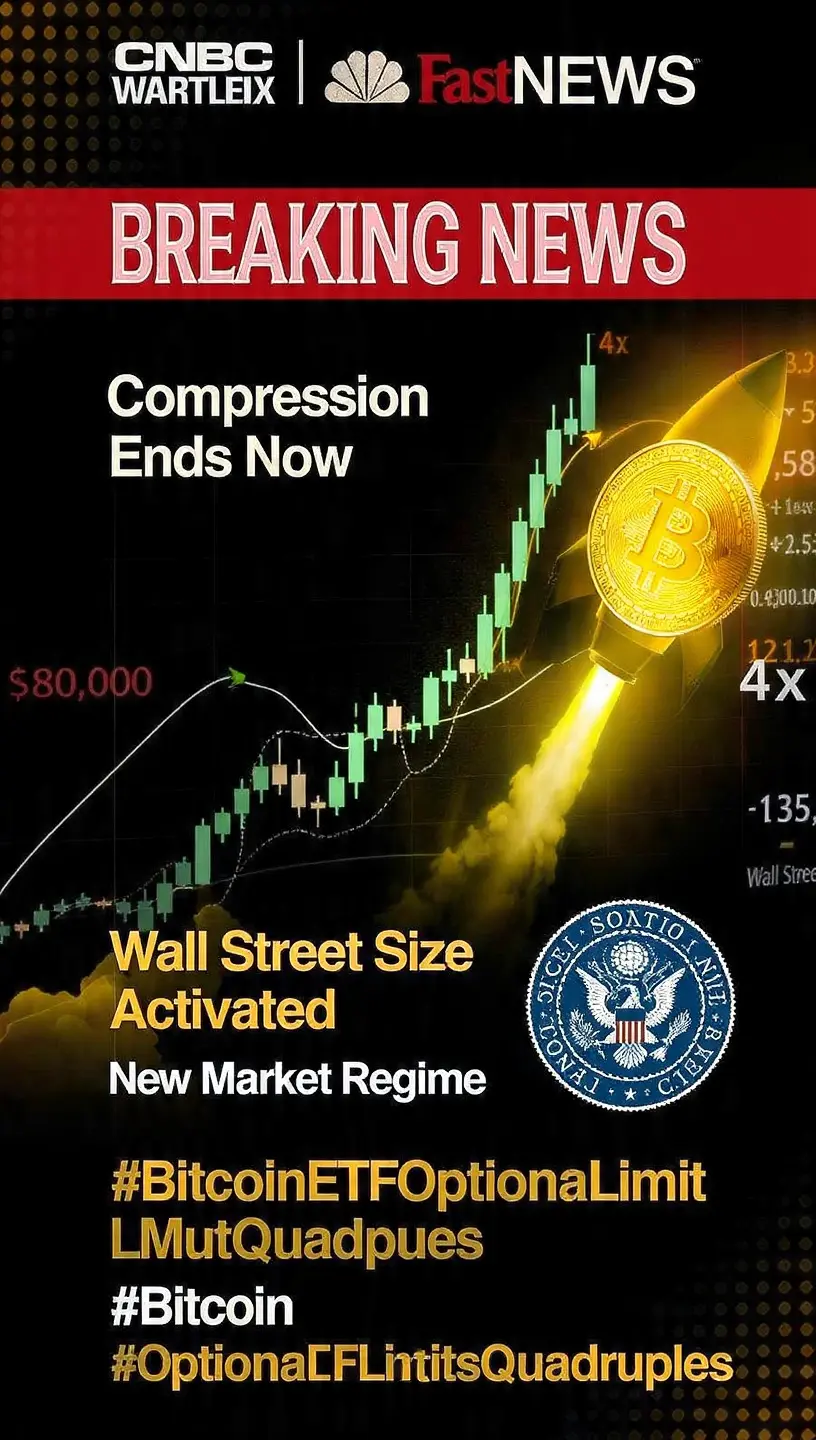
#GateSquareMayTradingShare #BitcoinETFOptionLimitQuadruples Bitcoin ETFs have now become the strongest structural force in the Bitcoin market, and in May 2026 their influence is more powerful than ever. The market is no longer being driven mainly by retail traders or short-term speculative spot demand. Instead, institutional ETF inflows are becoming the main engine behind Bitcoin’s price strength, liquidity absorption, and long-term supply compression. This shift changes how Bitcoin should be analyzed because ETF capital behaves differently from retail money—it is larger, slower, and much more strategic.
BlackRock’s IBIT continues to dominate the Bitcoin ETF sector and remains the clear institutional leader. It controls the largest share of Bitcoin held across all spot ETFs and continues attracting the strongest capital flows in the market. Recent inflow data confirms that IBIT remains the preferred institutional vehicle, which is a major signal because BlackRock’s network strength and distribution power give it a huge advantage over competitors. Every strong inflow into IBIT directly removes liquid BTC supply from the market, tightening supply and strengthening bullish pressure. This makes IBIT one of the most important indicators for Bitcoin’s future direction.
Fidelity’s FBTC remains one of the strongest alternatives and continues showing healthy inflow consistency, but its growth pace remains behind IBIT. While Fidelity has strong brand trust and a large financial ecosystem, the market clearly shows that BlackRock is absorbing the majority of fresh institutional capital. FBTC remains a smart long-term option for diversification, but the momentum leadership remains with IBIT.
Grayscale’s GBTC continues facing structural weakness despite holding older Bitcoin at lower acquisition costs. Its biggest issue remains its high fee structure, which continues driving investors toward cheaper alternatives like IBIT and FBTC. This fee difference may look small at first glance, but for institutions managing large positions, cost efficiency becomes critical over time. That is why GBTC continues experiencing outflows while competitors expand aggressively.
The most important part of the ETF battle is not simply who holds more Bitcoin—it is who controls future demand flow. IBIT’s average Bitcoin acquisition cost is higher because most of its aggressive accumulation happened during the high-price phases of late 2025 and 2026. This means institutions are willing to buy at premium prices, showing strong long-term conviction rather than short-term speculation. That type of buying behavior creates stronger market support.
Liquidity is now one of the biggest competitive advantages in ETF markets, and this is where IBIT remains ahead. Tight spreads, deeper market liquidity, and better execution quality make it the preferred choice for large institutional allocations. When institutions enter with size, liquidity quality matters more than almost anything else, and IBIT currently offers the strongest structure.
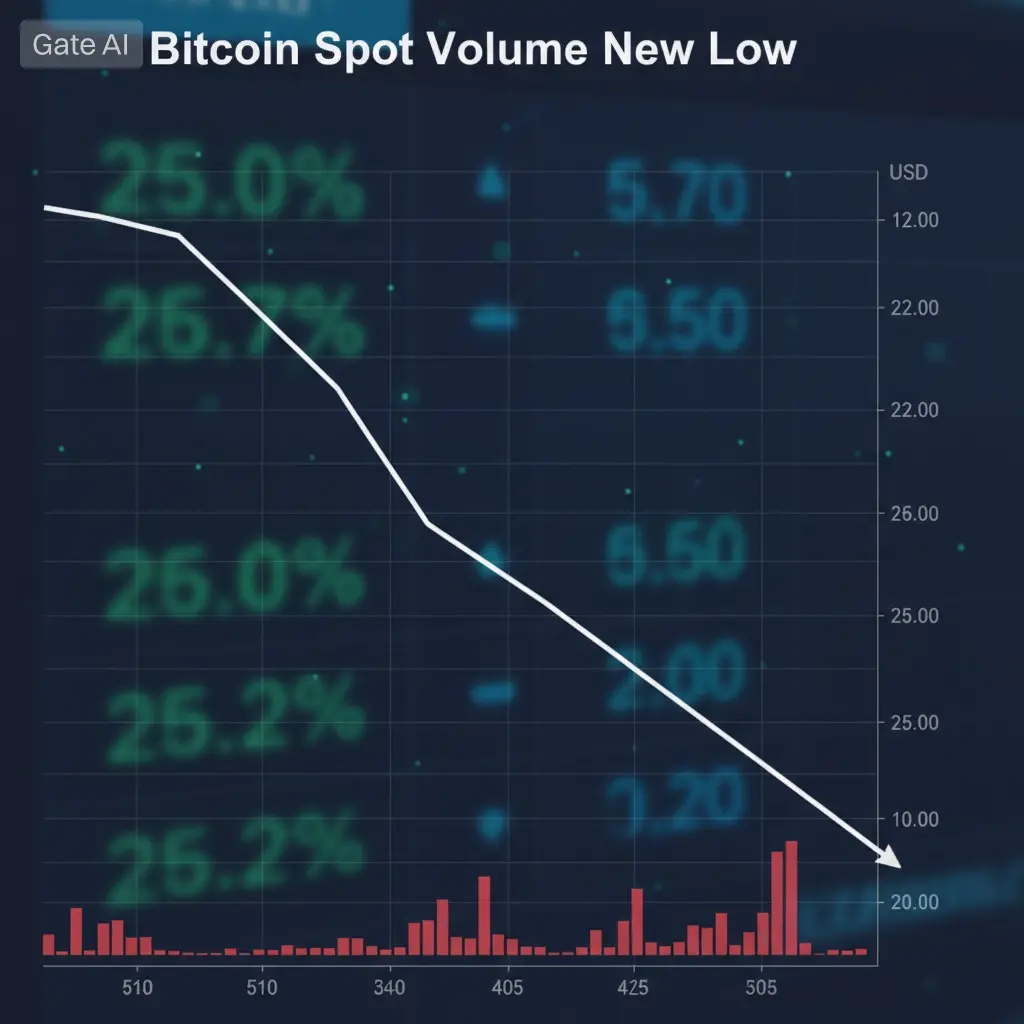
The bigger Bitcoin implication is massive. Spot market volume has weakened compared to previous cycle peaks, but ETF inflows continue replacing that lost retail demand. This creates a new market model where ETF demand becomes the dominant force behind supply absorption. That means Bitcoin’s future rallies may become less emotional and more structurally driven by institutional positioning.
My market view remains clear: as long as Bitcoin ETFs continue recording positive inflows and Bitcoin holds major liquidity support levels, the long-term bullish structure remains intact. If IBIT continues leading institutional demand at the current pace, Bitcoin’s path toward higher price expansion becomes stronger because supply pressure will continue tightening.
In this cycle, Bitcoin is not only reacting to macroeconomics, halving cycles, or retail hype anymore.
Bitcoin is increasingly reacting to ETF capital.
And right now, BlackRock’s IBIT is leading that capital war.
$BTC #SpotBitcoinETF #CryptoMarket