#USSeeksStrategicBitcoinReserve
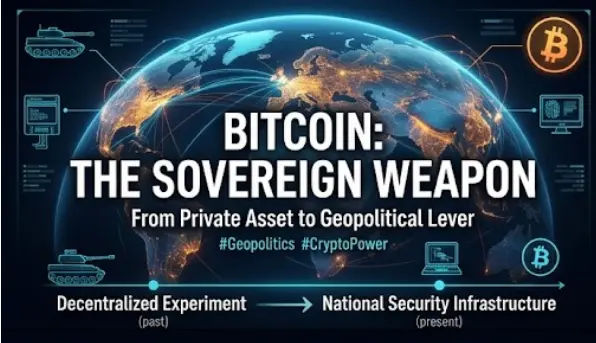
Bitcoin Has Become a Weapon of Nations
From Private Asset to Geopolitical Lever — The New Crypto Reality No One Predicted
Two announcements in the span of days have fundamentally reshaped how the world understands Bitcoin — and neither came from a crypto exchange.
Secretary of Defense Pete Hegseth confirmed before the House Armed Services Committee that the Pentagon is running classified Bitcoin operations designed to secure a strategic advantage over rival nations, particularly China. His exact words: "A lot of the things we are doing, enabling it or defeating it, are classified efforts that are ongoing inside our department, which do provide us a lot of leverage in a lot of different scenarios."
Meanwhile, Treasury Secretary Scott Bessent announced that the U.S. has seized nearly $500 million in Iranian cryptocurrency assets as part of "Operation Economic Fury" — including a $344 million freeze of USDT tied to the Central Bank of Iran and the Islamic Revolutionary Guard Corps.
These aren't isolated policy moves. They represent a paradigm shift: Bitcoin has graduated from a decentralized experiment to a contested instrument of national power.
The Pentagon's Bitcoin Program: What We Know
Hegseth's disclosure was reinforced by Admiral Samuel Paparo Jr., head of U.S. Indo-Pacific Command, who confirmed the military is running a live Bitcoin node and testing the protocol for operational applications. Paparo described Bitcoin as "a peer-to-peer zero-trust transfer of value" and stated that anything supporting "all instruments of national power for the United States of America is to the good."
Representative Lance Gooden (R-TX) framed it bluntly: Bitcoin has become a "geopolitical weapon used by multiple adversaries." He cited China's estimated holdings of ~194,000 BTC and warned of North Korean ransomware operations and Iran's use of crypto for sanctions evasion — including demanding cryptocurrency payments from oil tankers transiting the Strait of Hormuz.
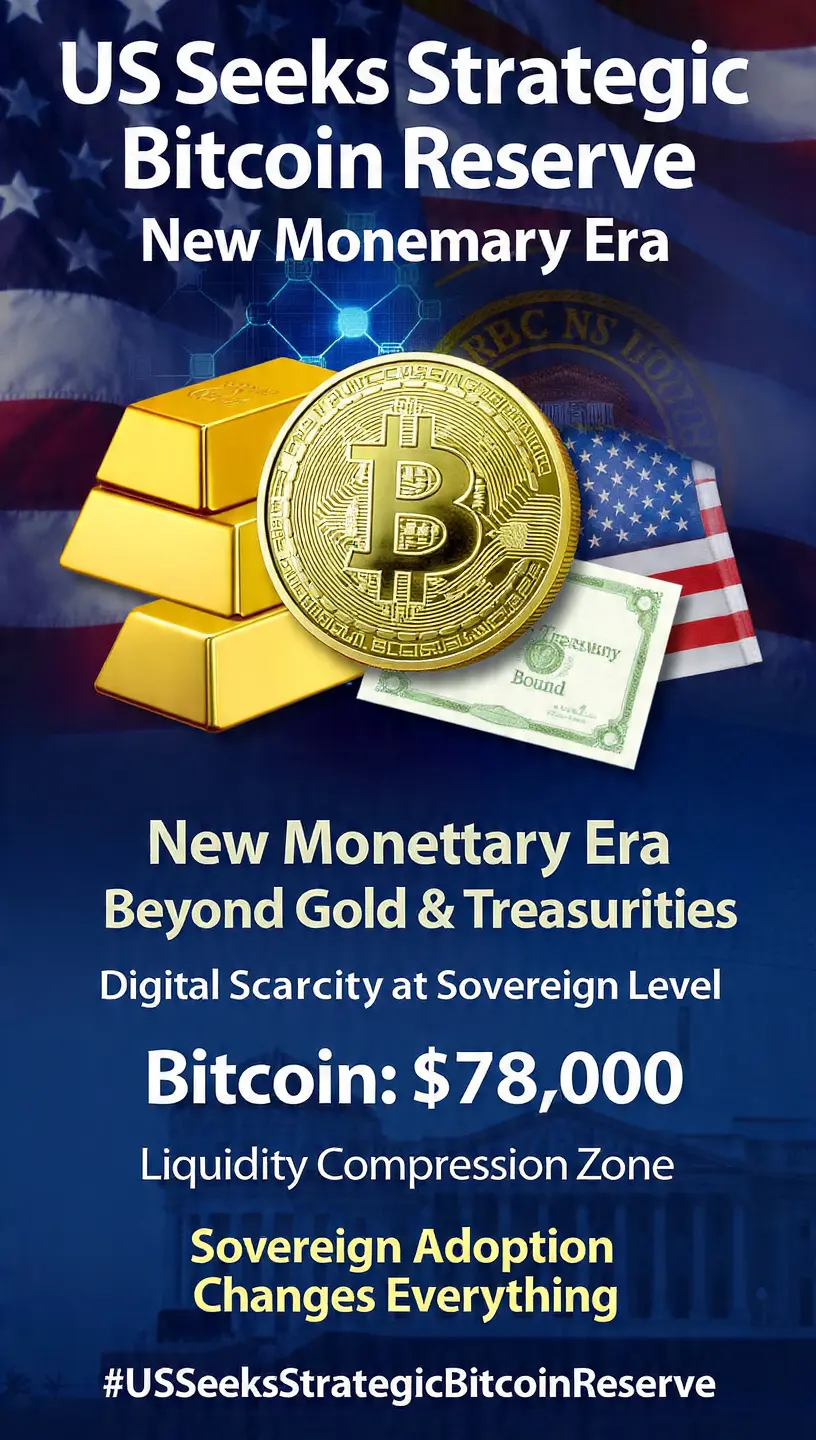
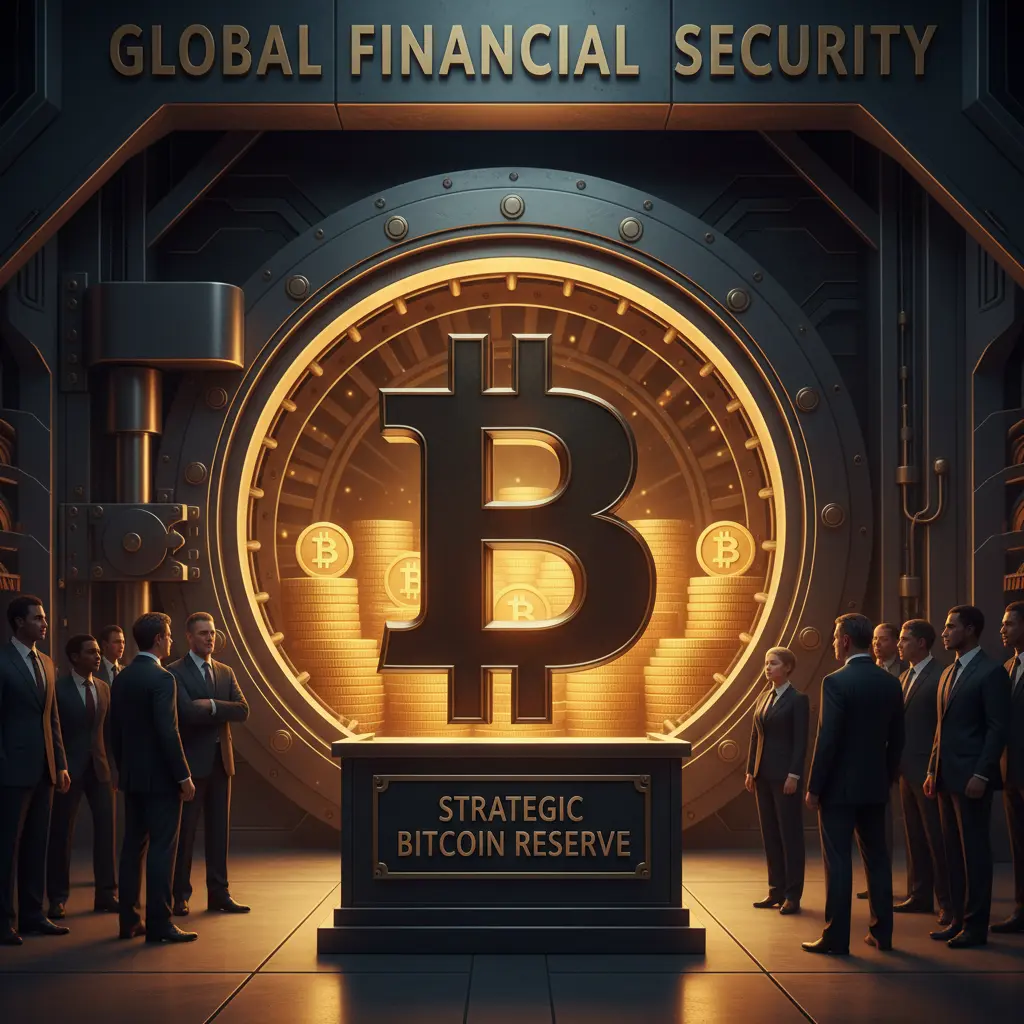
The U.S. government currently holds approximately 328,372 BTC (~$24.5 billion) in what has been branded the Strategic Bitcoin Reserve, established by executive order in March 2025. A bipartisan push is now underway in Congress to codify self-custody protections and prevent future administrations from reversing the policy.
Operation Economic Fury: The $500M Iranian Crypto Seizure
The Treasury's action wasn't a routine sanctions enforcement. OFAC directed Tether to freeze over $344 million in USDT across wallets linked to the Central Bank of Iran and the IRGC, with blockchain analytics confirming transactions routed through intermediary addresses interacting with CBI-associated wallets.
Chainalysis reports that Iran's crypto ecosystem has grown to $7.8 billion, with the IRGC increasingly dominant in on-chain activity — using crypto to move commodities, launder funds, transfer arms to proxy networks, and evade sanctions across multiple jurisdictions.
The seizure raises uncomfortable questions: If stablecoins can be frozen by government directive, what does "decentralization" actually mean in practice? Tether's compliance with OFAC demonstrates that even "permissionless" assets have centralized choke points when issued on chains governed by compliant issuers.
The Sovereign Adoption Cascade
The U.S. isn't alone in treating Bitcoin as strategic infrastructure:
Pakistan announced the creation of a government-led Strategic Bitcoin Reserve in 2026
Taiwan is actively considering allocating part of its $602 billion in foreign reserves to BTC, driven by geopolitical risk assessments from the Bitcoin Policy Institute
Bhutan has been quietly mining Bitcoin with state resources for years
China is estimated to hold ~194,000 BTC despite its domestic trading ban — a paradox that underscores the strategic value contradiction
The pattern is clear: nations that publicly dismiss Bitcoin often quietly accumulate it. The gap between rhetoric and reserves is becoming the defining feature of sovereign crypto strategy.
The Paradox at the Core
Bitcoin's original promise was anti-state: a currency beyond government control, censorship-resistant, governed by mathematics rather than mandates. Now the world's most powerful military is running classified operations around it, and the Treasury is using stablecoin infrastructure as a sanctions weapon.
This creates a tension that the crypto community has not fully reckoned with:
Anti-censorship vs. compliance: The same infrastructure that lets dissidents move money also lets sanctioned states evade restrictions — and the same issuer compliance that freezes IRGC wallets could, in theory, freeze any wallet under government pressure.
Decentralization vs. strategic control: When the Pentagon runs a Bitcoin node and frames it as "power projection," the narrative of a stateless network collides with the reality of state adoption.
Private sovereignty vs. sovereign reserve: Self-custody advocates argue that Bitcoin distributed across millions of wallets is "resistant to confiscation." But when nations hold hundreds of thousands of BTC in reserves, concentration risk mirrors the gold reserve dynamics Bitcoin was designed to escape.
What Comes Next
Three dynamics will shape the next phase:
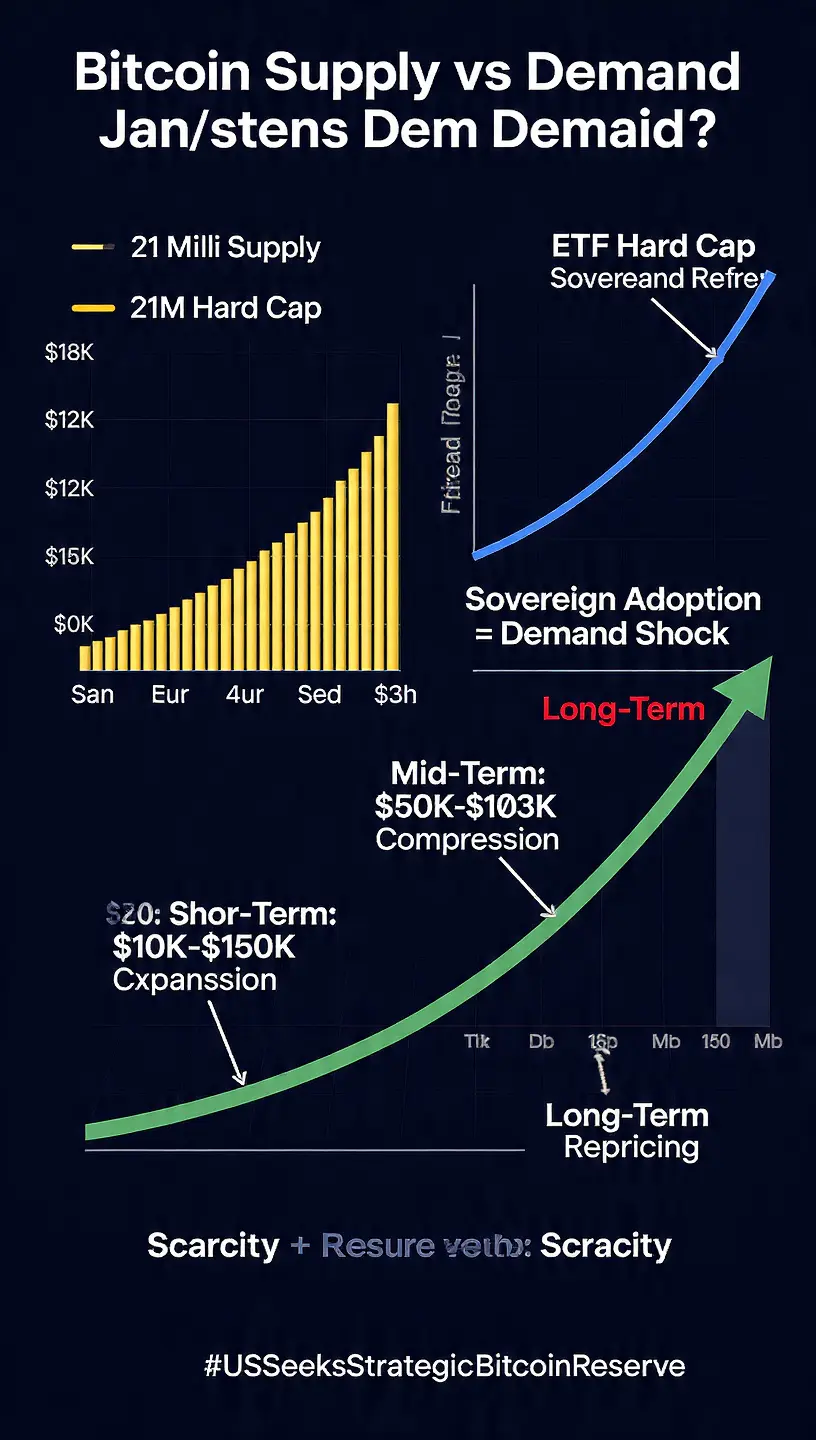
The sovereign accumulation race: If the U.S. holds 328K BTC and China ~194K BTC, other nations face a strategic choice — accumulate or be left behind. Taiwan and Pakistan are early signals of a broader cascade.
The stablecoin sovereignty problem: The $344M USDT freeze proves that stablecoins are de facto extensions of U.S. financial policy. Nations seeking true censorship resistance will need to look beyond issuer-controlled tokens — or build their own.
The classified operations black box: Hegseth's "enabling it or defeating it" phrasing suggests the Pentagon's Bitcoin engagement spans both adoption and adversarial disruption. What "defeating it" means — network-level attacks? Regulatory pressure on adversary miners? — remains unknown and deeply consequential.
Bitcoin was born as a rebellion against centralized money. It is now becoming the centralized money's most contested strategic asset. The question is no longer whether governments will adopt crypto — they already have, in secret and in public. The question is whether crypto's founding principles can survive that adoption, or whether the tool of liberation becomes, inevitably, the tool of power.
The next chapter of Bitcoin's story won't be written by developers or miners. It will be written by legislatures, defense ministries, and central banks — and the crypto community needs to be in that room, or it will find the rules written without them.
Bitcoin Has Become a Weapon of Nations
From Private Asset to Geopolitical Lever — The New Crypto Reality No One Predicted
Two announcements in the span of days have fundamentally reshaped how the world understands Bitcoin — and neither came from a crypto exchange.
Secretary of Defense Pete Hegseth confirmed before the House Armed Services Committee that the Pentagon is running classified Bitcoin operations designed to secure a strategic advantage over rival nations, particularly China. His exact words: "A lot of the things we are doing, enabling it or defeating it, are classified efforts that are ongoing inside our department, which do provide us a lot of leverage in a lot of different scenarios."
Meanwhile, Treasury Secretary Scott Bessent announced that the U.S. has seized nearly $500 million in Iranian cryptocurrency assets as part of "Operation Economic Fury" — including a $344 million freeze of USDT tied to the Central Bank of Iran and the Islamic Revolutionary Guard Corps.
These aren't isolated policy moves. They represent a paradigm shift: Bitcoin has graduated from a decentralized experiment to a contested instrument of national power.
The Pentagon's Bitcoin Program: What We Know
Hegseth's disclosure was reinforced by Admiral Samuel Paparo Jr., head of U.S. Indo-Pacific Command, who confirmed the military is running a live Bitcoin node and testing the protocol for operational applications. Paparo described Bitcoin as "a peer-to-peer zero-trust transfer of value" and stated that anything supporting "all instruments of national power for the United States of America is to the good."
Representative Lance Gooden (R-TX) framed it bluntly: Bitcoin has become a "geopolitical weapon used by multiple adversaries." He cited China's estimated holdings of ~194,000 BTC and warned of North Korean ransomware operations and Iran's use of crypto for sanctions evasion — including demanding cryptocurrency payments from oil tankers transiting the Strait of Hormuz.
The U.S. government currently holds approximately 328,372 BTC (~$24.5 billion) in what has been branded the Strategic Bitcoin Reserve, established by executive order in March 2025. A bipartisan push is now underway in Congress to codify self-custody protections and prevent future administrations from reversing the policy.
Operation Economic Fury: The $500M Iranian Crypto Seizure
The Treasury's action wasn't a routine sanctions enforcement. OFAC directed Tether to freeze over $344 million in USDT across wallets linked to the Central Bank of Iran and the IRGC, with blockchain analytics confirming transactions routed through intermediary addresses interacting with CBI-associated wallets.
Chainalysis reports that Iran's crypto ecosystem has grown to $7.8 billion, with the IRGC increasingly dominant in on-chain activity — using crypto to move commodities, launder funds, transfer arms to proxy networks, and evade sanctions across multiple jurisdictions.
The seizure raises uncomfortable questions: If stablecoins can be frozen by government directive, what does "decentralization" actually mean in practice? Tether's compliance with OFAC demonstrates that even "permissionless" assets have centralized choke points when issued on chains governed by compliant issuers.
The Sovereign Adoption Cascade
The U.S. isn't alone in treating Bitcoin as strategic infrastructure:
Pakistan announced the creation of a government-led Strategic Bitcoin Reserve in 2026
Taiwan is actively considering allocating part of its $602 billion in foreign reserves to BTC, driven by geopolitical risk assessments from the Bitcoin Policy Institute
Bhutan has been quietly mining Bitcoin with state resources for years
China is estimated to hold ~194,000 BTC despite its domestic trading ban — a paradox that underscores the strategic value contradiction
The pattern is clear: nations that publicly dismiss Bitcoin often quietly accumulate it. The gap between rhetoric and reserves is becoming the defining feature of sovereign crypto strategy.
The Paradox at the Core
Bitcoin's original promise was anti-state: a currency beyond government control, censorship-resistant, governed by mathematics rather than mandates. Now the world's most powerful military is running classified operations around it, and the Treasury is using stablecoin infrastructure as a sanctions weapon.
This creates a tension that the crypto community has not fully reckoned with:
Anti-censorship vs. compliance: The same infrastructure that lets dissidents move money also lets sanctioned states evade restrictions — and the same issuer compliance that freezes IRGC wallets could, in theory, freeze any wallet under government pressure.
Decentralization vs. strategic control: When the Pentagon runs a Bitcoin node and frames it as "power projection," the narrative of a stateless network collides with the reality of state adoption.
Private sovereignty vs. sovereign reserve: Self-custody advocates argue that Bitcoin distributed across millions of wallets is "resistant to confiscation." But when nations hold hundreds of thousands of BTC in reserves, concentration risk mirrors the gold reserve dynamics Bitcoin was designed to escape.
What Comes Next
Three dynamics will shape the next phase:
The sovereign accumulation race: If the U.S. holds 328K BTC and China ~194K BTC, other nations face a strategic choice — accumulate or be left behind. Taiwan and Pakistan are early signals of a broader cascade.
The stablecoin sovereignty problem: The $344M USDT freeze proves that stablecoins are de facto extensions of U.S. financial policy. Nations seeking true censorship resistance will need to look beyond issuer-controlled tokens — or build their own.
The classified operations black box: Hegseth's "enabling it or defeating it" phrasing suggests the Pentagon's Bitcoin engagement spans both adoption and adversarial disruption. What "defeating it" means — network-level attacks? Regulatory pressure on adversary miners? — remains unknown and deeply consequential.
Bitcoin was born as a rebellion against centralized money. It is now becoming the centralized money's most contested strategic asset. The question is no longer whether governments will adopt crypto — they already have, in secret and in public. The question is whether crypto's founding principles can survive that adoption, or whether the tool of liberation becomes, inevitably, the tool of power.
The next chapter of Bitcoin's story won't be written by developers or miners. It will be written by legislatures, defense ministries, and central banks — and the crypto community needs to be in that room, or it will find the rules written without them.