











#BitcoinSpotVolumeNewLow
📉 Обсяг спотової торгівлі Bitcoin досяг багатомісячних мінімумів Спокій перед бурею чи стратегічна мовчанка?
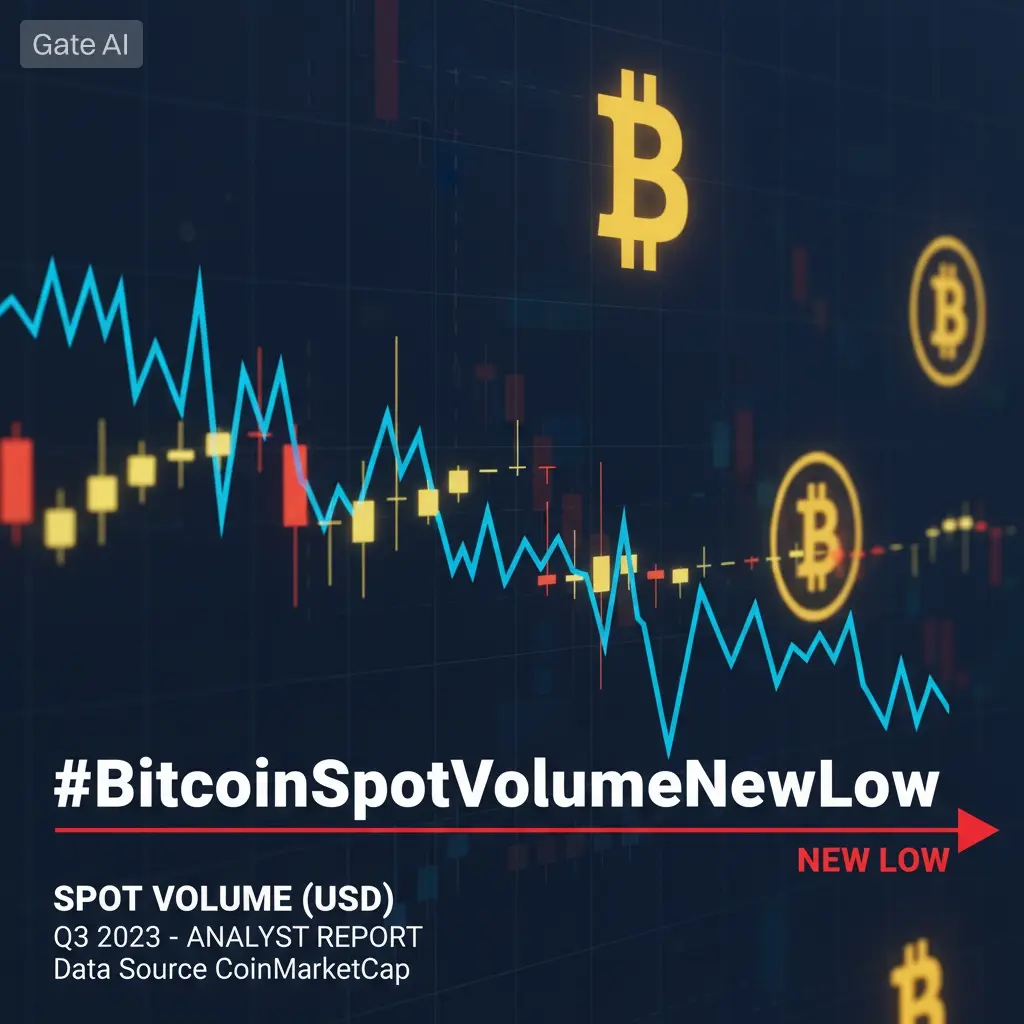
Останні дані показують, що щоденний обсяг спотової торгівлі Bitcoin впав нижче позначки 8 мільярдів доларів, досягнувши найнижчих рівнів з жовтня 2023 року. Це різке скорочення майже на 70–80% від пікової активності — це не просто статистика, а сигнал, на який варто звернути особливу увагу. З першого погляду, така знижка може свідчити про зменшення інтересу до ринку або про зупинку імпульсу. Однак фінансові ринки, особливо криптовалюти, рідко працюють у такій прямолінійній манері. Обсяг — це не лише участь; він відображає переконання, настрій і баланс між покупцями та продавцями. Коли обсяг зменшується до такого рівня, це часто означає, що обидві сторони відступають, очікуючи більш ясних сигналів перед тим, як вкладати капітал. Це створює унікальне середовище, де ціна може здаватися стабільною або повільною, але внутрішня динаміка тихо змінюється. Замість хаосу або паніки, те, що ми спостерігаємо, може бути структурованою паузою — моментом, коли ринок перетравлює попередні рухи, переоцінює вартість і готується до наступного кроку. Історично ці тихі періоди часто відігравали важливу роль у формуванні траєкторії майбутніх трендів, слугуючи основою для наступної хвилі волатильності.
Умови низького обсягу часто неправильно розуміють, особливо новачки, які асоціюють активність із можливістю. Насправді досвідчені трейдери та інституційні гравці часто процвітають у ці тихі періоди. Коли ліквідність тонша і увага менша, стає легше для великих учасників накопичувати або розподіляти позиції без значного впливу на ціну. Цю концепцію, часто називають прихованим накопиченням, багато разів спостерігали в історії Bitcoin та інших фінансових активів. Замість гонитви за імпульсом, розумні гроші зазвичай позиціонуються під час періодів невизначеності та зменшеної шуму. Крім того, стиснутий обсяг зазвичай співпадає з зменшенням волатильності, але цей спокій рідко триває довго. Ринки працюють як скручена пружина — чим довше вона залишається стиснутою, тим потужнішим є її остаточний вивільнення. Навіть відносно невеликі потоки капіталу можуть спричинити значні рухи цін, коли загальна участь низька. Саме тому досвідчені аналітики уважно стежать за зниженням обсягу: не тому, що це сигналізує про закінчення активності, а тому, що це часто передує суттєвій зміні. Чи ця зміна проявиться у прориві або у падінні, залежить від складної взаємодії факторів, але сама підготовка безперечно важлива.
Ще одним аспектом є психологічний стан ринку. Після періодів інтенсивної торгівлі, швидких коливань цін і широкої уваги, природно настає втома. Роздрібні учасники, які часто рухають короткостроковий імпульс, можуть відступити після пережитої волатильності або невизначеності. Обговорення у соціальних мережах вщухають, тренди пошуків зменшуються, і відчуття терміновості, яке раніше домінувало на ринку, починає зникати. Цей період охолодження може створити враження, що ринок втрачає актуальність, але насправді він проходить необхідне перезавантаження. Під час цієї фази слабкі учасники поступово виходять з гри, залишаючи тих, хто має сильніше переконання і довгострокові цілі. Тим часом інституційні інвестори та стратегічні гравці продовжують аналізувати макроекономічні умови, регуляторні зміни та технологічний прогрес у криптосфері. Відсутність видимої ейфорії не означає бездіяльності; навпаки, це свідчить про перехід від емоційної, реакційної торгівлі до більш обдуманого і зваженого позиціонування. Ця зміна часто є необхідною для формування сталих трендів, оскільки зменшує ймовірність різких розворотів, викликаних лише хайпом або страхом. У багатьох випадках мовчання, яке ми спостерігаємо у періоди низького обсягу, може бути більш значущим, ніж шум активних фаз.
Зрештою, залишається питання: що буде далі? Чи цей приглушений стан — це спокій перед бульбашковим зростанням, чи просто пауза перед подальшою невизначеністю? Правда в тому, що ринки рідко дають чіткі відповіді заздалегідь. Однак можна з упевненістю сказати, що такі періоди вимагають терпіння, дисципліни та усвідомленості. Вони зазвичай не є моментами, коли імпульсивні рішення приносять нагороду; навпаки, вони сприяють тим, хто вміє спостерігати за внутрішніми трендами, слідкувати за ключовими індикаторами і готуватися до кількох сценаріїв. Історія показує, що коли обсяг зменшується до таких рівнів, зазвичай слідує відновлення активності — і це відновлення рідко приходить тихо. Чи то через макроекономічні каталізатори, потоки інституцій або зміни у настроях, наступний важливий рух Bitcoin, ймовірно, буде вирішальним. Для тих, хто уважно стежить, цей період — це менше про негайні дії і більше про стратегічну підготовку. Адже коли ринок нарешті порушить мовчання, вікно для реагування може бути набагато меншим, ніж очікувалося.
📉 Обсяг спотової торгівлі Bitcoin досяг багатомісячних мінімумів Спокій перед бурею чи стратегічна мовчанка?
Останні дані показують, що щоденний обсяг спотової торгівлі Bitcoin впав нижче позначки 8 мільярдів доларів, досягнувши найнижчих рівнів з жовтня 2023 року. Це різке скорочення майже на 70–80% від пікової активності — це не просто статистика, а сигнал, на який варто звернути особливу увагу. З першого погляду, така знижка може свідчити про зменшення інтересу до ринку або про зупинку імпульсу. Однак фінансові ринки, особливо криптовалюти, рідко працюють у такій прямолінійній манері. Обсяг — це не лише участь; він відображає переконання, настрій і баланс між покупцями та продавцями. Коли обсяг зменшується до такого рівня, це часто означає, що обидві сторони відступають, очікуючи більш ясних сигналів перед тим, як вкладати капітал. Це створює унікальне середовище, де ціна може здаватися стабільною або повільною, але внутрішня динаміка тихо змінюється. Замість хаосу або паніки, те, що ми спостерігаємо, може бути структурованою паузою — моментом, коли ринок перетравлює попередні рухи, переоцінює вартість і готується до наступного кроку. Історично ці тихі періоди часто відігравали важливу роль у формуванні траєкторії майбутніх трендів, слугуючи основою для наступної хвилі волатильності.
Умови низького обсягу часто неправильно розуміють, особливо новачки, які асоціюють активність із можливістю. Насправді досвідчені трейдери та інституційні гравці часто процвітають у ці тихі періоди. Коли ліквідність тонша і увага менша, стає легше для великих учасників накопичувати або розподіляти позиції без значного впливу на ціну. Цю концепцію, часто називають прихованим накопиченням, багато разів спостерігали в історії Bitcoin та інших фінансових активів. Замість гонитви за імпульсом, розумні гроші зазвичай позиціонуються під час періодів невизначеності та зменшеної шуму. Крім того, стиснутий обсяг зазвичай співпадає з зменшенням волатильності, але цей спокій рідко триває довго. Ринки працюють як скручена пружина — чим довше вона залишається стиснутою, тим потужнішим є її остаточний вивільнення. Навіть відносно невеликі потоки капіталу можуть спричинити значні рухи цін, коли загальна участь низька. Саме тому досвідчені аналітики уважно стежать за зниженням обсягу: не тому, що це сигналізує про закінчення активності, а тому, що це часто передує суттєвій зміні. Чи ця зміна проявиться у прориві або у падінні, залежить від складної взаємодії факторів, але сама підготовка безперечно важлива.
Ще одним аспектом є психологічний стан ринку. Після періодів інтенсивної торгівлі, швидких коливань цін і широкої уваги, природно настає втома. Роздрібні учасники, які часто рухають короткостроковий імпульс, можуть відступити після пережитої волатильності або невизначеності. Обговорення у соціальних мережах вщухають, тренди пошуків зменшуються, і відчуття терміновості, яке раніше домінувало на ринку, починає зникати. Цей період охолодження може створити враження, що ринок втрачає актуальність, але насправді він проходить необхідне перезавантаження. Під час цієї фази слабкі учасники поступово виходять з гри, залишаючи тих, хто має сильніше переконання і довгострокові цілі. Тим часом інституційні інвестори та стратегічні гравці продовжують аналізувати макроекономічні умови, регуляторні зміни та технологічний прогрес у криптосфері. Відсутність видимої ейфорії не означає бездіяльності; навпаки, це свідчить про перехід від емоційної, реакційної торгівлі до більш обдуманого і зваженого позиціонування. Ця зміна часто є необхідною для формування сталих трендів, оскільки зменшує ймовірність різких розворотів, викликаних лише хайпом або страхом. У багатьох випадках мовчання, яке ми спостерігаємо у періоди низького обсягу, може бути більш значущим, ніж шум активних фаз.
Зрештою, залишається питання: що буде далі? Чи цей приглушений стан — це спокій перед бульбашковим зростанням, чи просто пауза перед подальшою невизначеністю? Правда в тому, що ринки рідко дають чіткі відповіді заздалегідь. Однак можна з упевненістю сказати, що такі періоди вимагають терпіння, дисципліни та усвідомленості. Вони зазвичай не є моментами, коли імпульсивні рішення приносять нагороду; навпаки, вони сприяють тим, хто вміє спостерігати за внутрішніми трендами, слідкувати за ключовими індикаторами і готуватися до кількох сценаріїв. Історія показує, що коли обсяг зменшується до таких рівнів, зазвичай слідує відновлення активності — і це відновлення рідко приходить тихо. Чи то через макроекономічні каталізатори, потоки інституцій або зміни у настроях, наступний важливий рух Bitcoin, ймовірно, буде вирішальним. Для тих, хто уважно стежить, цей період — це менше про негайні дії і більше про стратегічну підготовку. Адже коли ринок нарешті порушить мовчання, вікно для реагування може бути набагато меншим, ніж очікувалося.