


Futures
Access hundreds of perpetual contracts
TradFi
Gold
One platform for global traditional assets
Options
Hot
Trade European-style vanilla options
Unified Account
Maximize your capital efficiency
Demo Trading
Introduction to Futures Trading
Learn the basics of futures trading
Futures Events
Join events to earn rewards
Demo Trading
Use virtual funds to practice risk-free trading
Launch
CandyDrop
Collect candies to earn airdrops
Launchpool
Quick staking, earn potential new tokens
HODLer Airdrop
Hold GT and get massive airdrops for free
Launchpad
Be early to the next big token project
Alpha Points
Trade on-chain assets and earn airdrops
Futures Points
Earn futures points and claim airdrop rewards


More





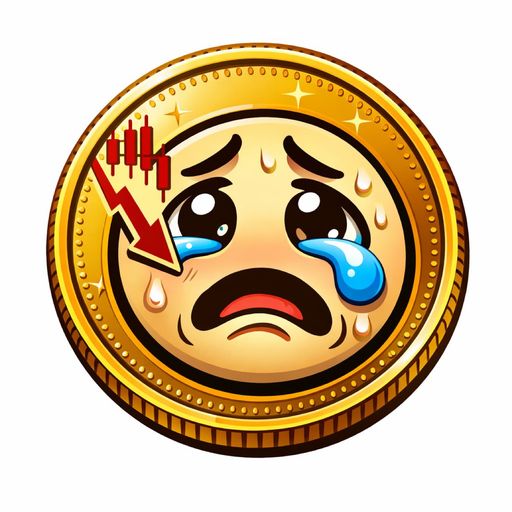
Understanding Hopium: What This Crypto Term Really Means
The term “hopium” has become part of everyday crypto vocabulary, blending two powerful concepts—hope and escapism. When you encounter the phrase “hopium meaning” in crypto communities, you’re looking at an internet slang term that captures a specific type of investor psychology that many in the space can relate to or have experienced.
The Origins of Hopium Meaning
“Hopium” merges “hope” with “opium,” creating a metaphor for the addictive nature of unfounded optimism. The term emerged in online communities as a way to describe baseless confidence without factual backing. While the word can humorously refer to a fictional substance you consume when you need comfort, its real power lies in describing a mindset—one where investors hold onto unrealistic expectations despite contradictory evidence.
In the crypto world specifically, hopium meaning takes on a particular flavor. It describes an investor gripped by false hopes about their holdings, such as believing a worthless token will eventually “moon” or thinking a failed project still has hidden potential. The operative word here is “blinded”—hopium sufferers aren’t just optimistic; they’re trapped in denial, viewing their investments through a lens of wishful thinking rather than market reality.
Hopium vs Reality: How Crypto Investors Get Trapped
The psychology behind hopium is straightforward: when an investment goes wrong, instead of cutting losses, some investors consume endless hopium. They scroll through old roadmaps, look for buried updates, and convince themselves that a comeback is coming. This behavior, while understandable from a psychological perspective, often leads to significant financial consequences as the market moves on without them.
The negative connotation of hopium stems precisely from this dynamic. The term is weaponized to mock individuals clinging to unrealistic beliefs about their assets. It’s a sarcastic jab at those who let hope override hard data and analysis. You’ll often hear it used mockingly in forums and social media when someone defends a clearly failed investment.
Hopium vs Copium: Understanding the Key Difference
While hopium and copium are both used in crypto spaces, they’re distinct concepts. “Copium” refers to coping mechanisms—strategies people use to deal with negative outcomes. An investor using copium acknowledges the loss and is finding ways to manage it. Hopium, by contrast, is about refusing to acknowledge reality; it’s pure denial wrapped in optimistic packaging.
The key difference: copium is about acceptance (albeit unhealthy), while hopium is about resistance to facts. Both carry negative undertones, but hopium carries the heaviest mockery because it represents a refusal to learn from market lessons.
Real-World Hopium Examples in Action
The hopium meaning becomes crystal clear when you see it in practice:
These aren’t just investment missteps—they’re hopium in its purest form.
Why Hopium Matters in Crypto Culture
Understanding hopium meaning isn’t just about recognizing the slang. It’s about developing self-awareness as an investor. Crypto markets reward those who can distinguish between genuine potential and hopium-driven delusion. The communities that call out hopium are actually performing a service, however harshly, by injecting reality into spaces where hope can run wild.