


Futures
Accédez à des centaines de contrats perpétuels
TradFi
Or
Une plateforme pour les actifs mondiaux
Options
Hot
Tradez des options classiques de style européen
Compte unifié
Maximiser l'efficacité de votre capital
Trading démo
Lancement Futures
Préparez-vous à trader des contrats futurs
Événements futures
Participez aux événements et gagnez
Demo Trading
Utiliser des fonds virtuels pour faire l'expérience du trading sans risque
Lancer
CandyDrop
Collecte des candies pour obtenir des airdrops
Launchpool
Staking rapide, Gagnez de potentiels nouveaux jetons
HODLer Airdrop
Conservez des GT et recevez d'énormes airdrops gratuitement
Launchpad
Soyez les premiers à participer au prochain grand projet de jetons
Points Alpha
Tradez on-chain et gagnez des airdrops
Points Futures
Gagnez des points Futures et réclamez vos récompenses d’airdrop.
Investissement
Simple Earn
Gagner des intérêts avec des jetons inutilisés
Investissement automatique
Auto-invest régulier
Double investissement
Profitez de la volatilité du marché
Staking souple
Gagnez des récompenses grâce au staking flexible
Prêt Crypto
0 Fees
Mettre en gage un crypto pour en emprunter une autre
Centre de prêts
Centre de prêts intégré




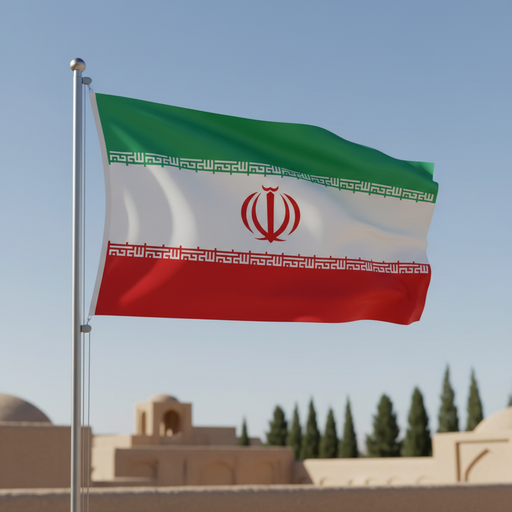


【Marché boursier américain】3 bombardiers B52 sont arrivés au Royaume-Uni ou effectueront des bombardements lourds, le G7 pourrait libérer des réserves de pétrole si nécessaire, le prix du pétrole se redresse (mise à jour continue)
G7 finance ministers hold an emergency meeting to discuss a coordinated release of oil reserves led by the International Energy Agency (IEA) to address the surge in oil prices following the Gulf conflict.
French Finance Minister Roland Lescure stated that the G7 has not yet decided on releasing emergency oil reserves in response to the potential conflict between the US, Israel, and Iran.
After participating in an online G7 finance ministers’ meeting in Brussels, Lescure told reporters, “Our consensus is that, if necessary, we will use all means to stabilize the market, including the possible release of reserves.” He indicated that governments are closely monitoring the situation, and currently, there are no supply issues in Europe or the US.
Japanese Finance Minister Shunichi Katayama said, “The IEA has called on countries to coordinate the release of oil reserves. Given the current situation, the G7 has agreed to continue closely monitoring energy market dynamics and take necessary measures to support global energy supply, including releasing oil reserves.” Katayama also mentioned that officials from the Organisation for Economic Co-operation and Development (OECD), the World Bank, and the International Monetary Fund (IMF) participated in the talks. The G7 will soon hold a meeting of energy ministers to discuss further actions.
As of 2022, IEA member countries’ emergency oil reserves under the control of OECD governments are estimated to exceed 1.2 billion barrels, mostly crude oil.
According to IEA regulations, all member countries must maintain emergency oil reserves equivalent to at least 90 days of net imports. These government-controlled stocks must ensure that the country can sustain normal consumption for at least three months.
The conflict in Iran has driven oil prices sharply higher, with Brent crude futures rising nearly 30%, approaching $120 per barrel at one point. The gains have since narrowed, with recent increases below 10%, hovering around $100.
The three major US stock indices narrowed their declines simultaneously. The Dow fell 886 points to a low of 46,615, the S&P 500 dropped 1.5% to 6,636, and the Nasdaq declined 1.5% to 22,061.
At midday, the Dow was down 343 points, the S&P 500 fell 0.6%, and the Nasdaq declined 0.1%.
The US dollar index rose 0.7%, reaching a high of 99.695, and is currently up 0.1% at 99.13. Market concerns about rising inflation due to soaring oil prices have decreased expectations of rate cuts by the Federal Reserve. The US long-term bond yield continues to rise, currently at 4.175%. Gold prices, affected by inflation fears, fell 1.4%, trading at $5,098.8.
According to BBC reports, US B-52 and B-1 heavy bombers have gathered at Royal Air Force Fairford Base in the UK. Today, three B-52 bombers landed, marking the first appearance of B-52s in the UK since the conflict erupted.
The B-52 heavy bomber is a typical “frontline deployment” for the US, signaling the imminent start of large-scale air campaigns or a sharp escalation of existing conflicts. As a heavily armed “old yellow cow,” once enemy air defenses are weakened, B-52s can deliver large amounts of conventional ground-attack munitions, conducting sustained destructive strikes on enemy infrastructure, industrial targets, or large ground forces.
Technology stocks weakened, with Tesla (US: TSLA) falling nearly 4%, Amazon (US: AMZN) and Meta (US: META) both dropping over 2%.
Additionally, US markets have entered daylight saving time, opening an hour earlier at 9:30 PM Hong Kong time.
Swiss bank UBS noted that the oil market has entered a panic state, with prices soaring into triple digits and fluctuating wildly, mainly driven by market sentiment, as the conflict itself has not yet caused any substantial changes. So far, supply disruptions are mainly due to cautious ships avoiding the Strait of Hormuz, leading to trade blockages rather than military blockades. However, it is expected that in the coming week and beyond, Middle Eastern oil supplies could face shutdowns of up to 75%.
The bank said it will continue to closely monitor the situation. Currently, there is no substantial damage to energy infrastructure. Iran’s military strength appears to be weakening, and solutions such as ensuring shipping through the Strait of Hormuz remain feasible. Amid the fog of war, the bank reaffirms a neutral stance on oil and natural gas, maintaining the basic expectation that energy prices will peak at current or slightly higher levels.