U.S. Congress Calls on SEC Chair Paul Atkins to Allow Cryptocurrency in 401(k) Retirement Plans
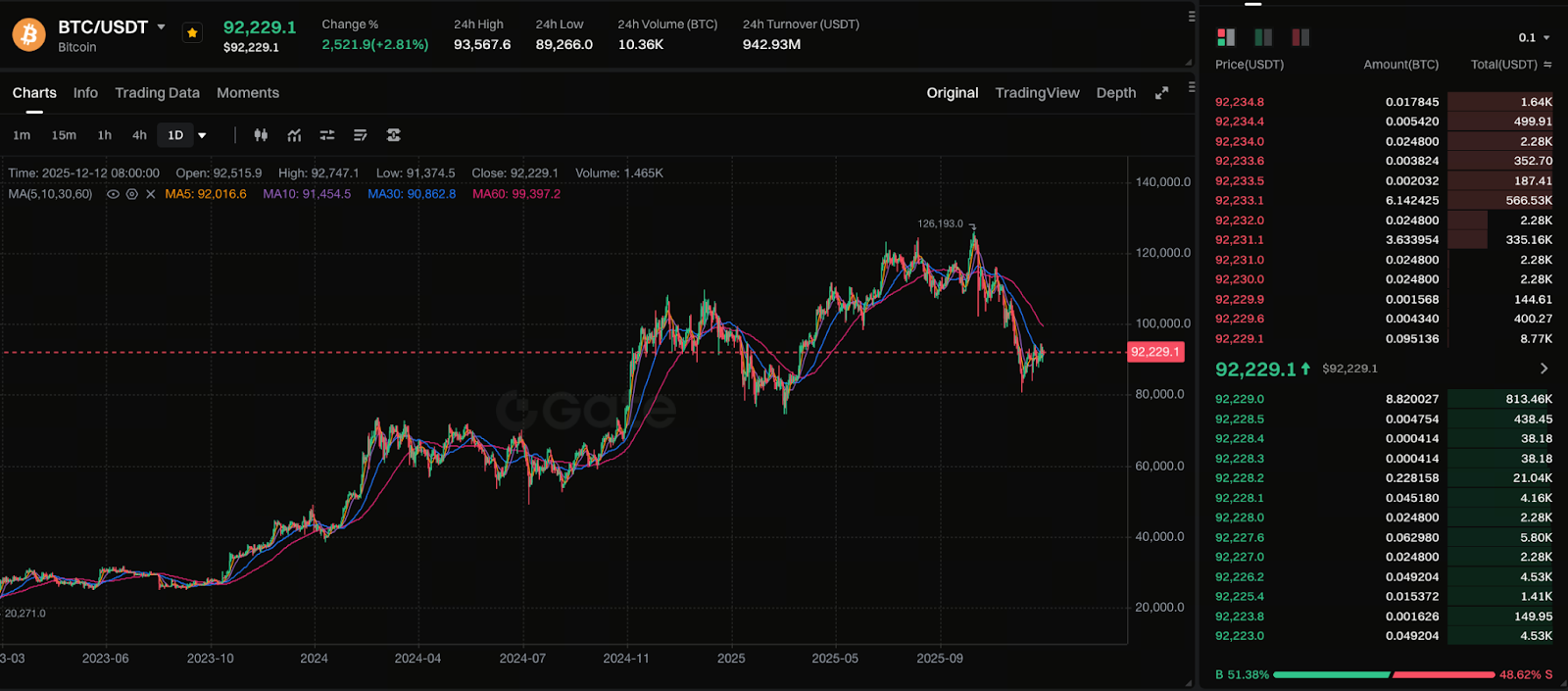
Image: https://www.gate.com/trade/BTC_USDT
Congressional Update: Accelerating Crypto Retirement Investments
On December 11, 2025, the U.S. House Financial Services Committee formally requested SEC Chairman Paul Atkins to immediately enforce the executive order signed by the Trump administration in August 2025. This directive aims to permit cryptocurrencies and other alternative assets as investment options within defined contribution plans like §401(k).
This move will allow tens of millions of American retirement savers, subject to trustee suitability assessments, to allocate digital assets such as Bitcoin and Ethereum to their long-term retirement portfolios.
Paul Atkins and the SEC’s Strategic Role
Paul Atkins became SEC Chairman in 2025, bringing extensive regulatory experience and a reputation for championing market innovation and deregulation. Unlike previous conservative leadership, Atkins is viewed as a regulator more attuned to the digital asset sector’s needs.
Congress’s letter seeks to exert direct pressure on the SEC, expediting rule revisions to eliminate barriers to cryptocurrency allocations in 401(k) plans and enable their mainstream adoption in retirement markets.
How the Trump Executive Order Will Transform the 401(k) Landscape
In August 2025, former President Trump signed an executive order instructing the Department of Labor and the SEC to jointly review existing regulations and include alternative assets, including crypto assets, as compliant investment options for 401(k) plans.
If implemented, this policy would allow American employees, teachers, public servants, and veterans to invest in crypto-related products through payroll deductions and employer matching contributions.
This development marks the first time digital assets could enter the largest and most enduring retirement fund system in the United States.
Market and Price Impact of Crypto in 401(k) Plans
The U.S. 401(k) system manages assets worth tens of trillions of dollars. Industry analysts note:
- Even allocating just 1%–2% of these assets to crypto products
- Would generate massive, stable, long-term capital inflows into the Bitcoin market
As a result, the market broadly expects that policy implementation will strongly support mainstream digital assets like Bitcoin and may become a pivotal driver of price growth over the next several years.
Regulation and Risk: Investor Perspectives
Despite a positive policy outlook, cryptocurrencies remain highly volatile and present several risks:
- Major price swings could impact retirement account stability
- The regulatory framework for crypto assets is still evolving
- Trustees must evaluate risk-adjusted returns
Ultimately, the inclusion of crypto in 401(k) investment options will depend on fund managers’ comprehensive assessment of risk, compliance, and long-term performance.
Outlook and Conclusion
The SEC has not yet disclosed a timeline for policy implementation, and legislative bodies, regulators, and market participants are actively negotiating. Regardless of the outcome, this policy direction signals that the U.S. financial system is opening up to digital assets.
The integration of cryptocurrencies into retirement systems will profoundly shape capital flows, investment structures, and the global financial innovation landscape over the next decade. For the digital asset market, this represents not only a policy advance but also a potential long-term structural tailwind.
Share
Content


Related Articles

2025 BTC Price Prediction: BTC Trend Forecast Based on Technical and Macroeconomic Data

Flare Crypto Explained: What Is Flare Network and Why It Matters in 2025

Pi Coin Transaction Guide: How to Transfer to Gate.com

How to Use a Crypto Whale Tracker: Top Tool Recommendation for 2025 to Follow Whale Moves

What is N2: An AI-Driven Layer 2 Solution