

Trade
Basic
Futures
Futures
Hundreds of contracts settled in USDT or BTC
TradFi
Gold
Trade global traditional assets with USDT in one place
Options
Hot
Trade European-style vanilla options
Unified Account
Maximize your capital efficiency
Demo Trading
Futures Kickoff
Get prepared for your futures trading
Futures Events
Participate in events to win generous rewards
Demo Trading
Use virtual funds to experience risk-free trading
Earn
Launch
CandyDrop
Collect candies to earn airdrops
Launchpool
Quick staking, earn potential new tokens
HODLer Airdrop
Hold GT and get massive airdrops for free
Launchpad
Be early to the next big token project
Alpha Points
Trade on-chain assets and enjoy airdrop rewards!
Futures Points
Earn futures points and claim airdrop rewards
Investment
Simple Earn
Earn interests with idle tokens
Auto-Invest
Auto-invest on a regular basis
Dual Investment
Buy low and sell high to take profits from price fluctuations
Soft Staking
Earn rewards with flexible staking
Crypto Loan
0 Fees
Pledge one crypto to borrow another
Lending Center
One-stop lending hub
VIP Wealth Hub
Customized wealth management empowers your assets growth
Private Wealth Management
Customized asset management to grow your digital assets
Quant Fund
Top asset management team helps you profit without hassle
Staking
Stake cryptos to earn in PoS products
Smart Leverage
New
No forced liquidation before maturity, worry-free leveraged gains
GUSD Minting
Use USDT/USDC to mint GUSD for treasury-level yields

More


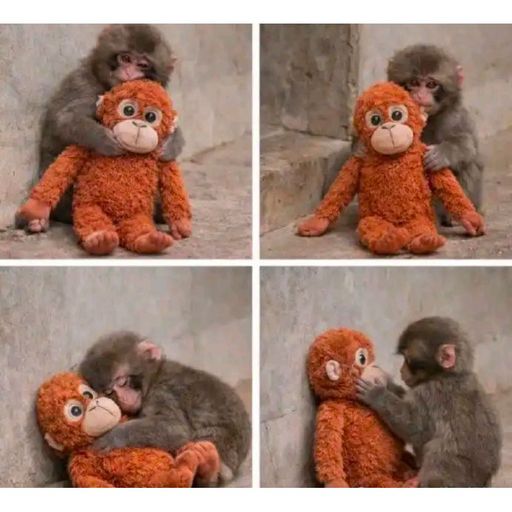
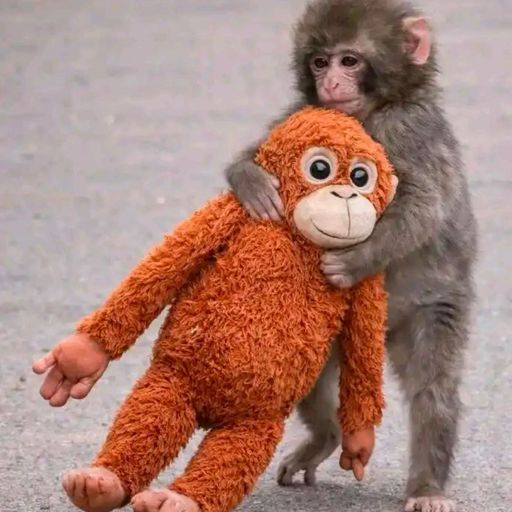


Have you ever wondered why some ideas spread rapidly within the community while others gradually fade away? In fact, there is a scientific logic behind this — memetics studies exactly this phenomenon.
In the biological world, things are relatively straightforward: genetic information is copied, transformed into organisms, and these organisms compete for resources. Imagine DNA replication and transmission — it’s just repeating this process.
Human opinions and ideas also follow similar rules. Whether an idea can survive and how far it can spread depends on whether it is "easy to replicate." This is especially evident in the crypto community — a trading strategy, a piece of code, or a new concept, once it captures people's attention, it spreads like a virus across Discord, Twitter, and forums. Ideas that survive, are frequently cited, and improved upon often possess some competitive advantage: easy to understand, highly useful, or capable of resonating enough to trigger shared emotions.
In other words, the competition between good and bad ideas is quite similar to the logic of genetic competition.