Fundamental Concepts of Coins and Tokens in Crypto Assets

What Is the Difference Between Coins and Physical Currency? A Comprehensive Guide
In the digital asset space, people often confuse the terms "coin" and "physical currency," but there are clear distinctions. This article explores the differences between coins and physical currency, breaking down their features and uses.
Key Differences Between Coins and Physical Currency
What Is Physical Currency?
Physical currency refers to traditional, tangible money. These are metal coins issued by national central banks or mints. In Japan, denominations like 1 yen, 5 yen, 10 yen, 50 yen, 100 yen, and 500 yen are common.
What Are Coins?
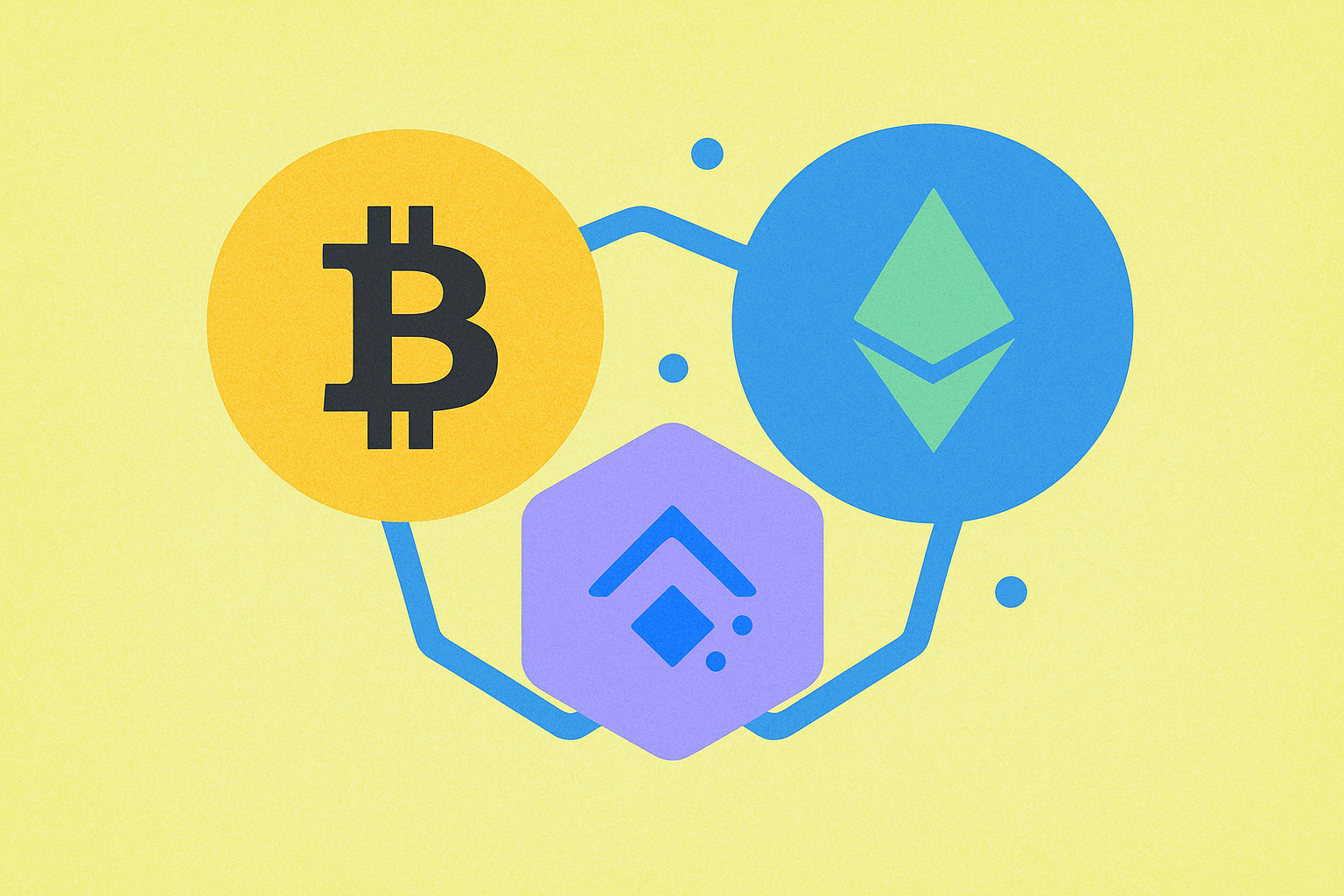
In digital assets, coins are digital currencies that run on their own blockchain networks. Leading examples include Bitcoin (BTC) and Ethereum (ETH). Understanding the difference between coins and physical currency is crucial for anyone navigating the cryptocurrency market.
Comparing the Main Characteristics of Coins and Physical Currency
Physical Presence
- Physical Currency: Exists as a tangible object you can hold and use
- Coin: Exists as digital data recorded on a blockchain
Issuing Authority
- Physical Currency: Issued and controlled by governments or central banks
- Coin: Managed by decentralized networks, usually without a central authority
Storage Methods
- Physical Currency: Kept physically in wallets, safes, or bank accounts
- Coin: Secured in encrypted digital wallets
Types of Coins in Crypto
Mainnet Coins
Coins with their own blockchains have these main features:
- Independent network infrastructure
- Unique consensus mechanisms
- Serve as the base currency for transfers and payments
How Coins Differ from Tokens
After understanding coins vs. physical currency, it’s also important to know the difference between coins and tokens:
- Coin: Operates on its own blockchain
- Token: Issued on an existing blockchain
How to Acquire Coins
Buying on Exchanges
Major crypto exchanges let you purchase different types of coins. Beginners should always choose reputable platforms.
Mining
Some coins can be earned through mining—a process where you validate network transactions and receive new coins as rewards.
Staking
With Proof of Stake (PoS) coins, you can earn rewards by locking your holdings on the network.
Common Uses for Coins and Physical Currency
Physical Currency Use Cases
- Everyday small payments
- Vending machine purchases
- Traditional business transactions
- Collectibles or commemorative items
Coin Use Cases
- International money transfers
- Investment and portfolio management
- Using decentralized applications (DApps)
- Executing smart contracts
Coin Value Volatility
Unlike physical currency, the value of digital coins can swing dramatically based on market supply and demand. Key drivers of price volatility include:
- Market supply and demand
- Technological innovation
- Regulatory changes
- Macroeconomic trends
- Media coverage
Security Considerations
Physical Currency Security
- Risk of theft
- Loss risk
- Counterfeiting threats
Coin Security
- Managing private keys is essential
- Hacking risks
- Wallet backups are a must
- Set up two-factor authentication
Summary: Why Understanding the Difference Between Coins and Physical Currency Matters
Knowing the distinction between coins and physical currency is foundational for understanding today's financial systems. Physical currency has a long-standing history as tangible money; coins represent the digital asset frontier.
Each comes with unique features, advantages, and risks. Physical currency offers stability and convenience for daily use, while coins power global transactions and open doors to new financial services.
If you’re considering investing in digital assets, make sure you understand the differences between coins and physical currency. Align your choices with your investment goals and risk tolerance. Always rely on trusted sources for the latest information and make investment decisions carefully.
As financial technology evolves, the roles and relationship of coins and physical currency will keep changing. By understanding their differences and features, you’ll be equipped to make smarter financial decisions.
FAQ
What’s the difference between coins and physical currency?
Physical currency is the formal term used in academic and official contexts; coin is the everyday term. In crypto, "coin" refers to a blockchain-based digital asset, distinct from physical money.
When should you use "physical currency" versus "coin"?
Use "physical currency" in formal or academic settings, and "coin" in everyday conversation. In the crypto world, "coin" is the standard term.
Share
Content
Key Differences Between Coins and Physical Currency
Comparing the Main Characteristics of Coins and Physical Currency
Types of Coins in Crypto
How to Acquire Coins
Common Uses for Coins and Physical Currency
Coin Value Volatility
Security Considerations
Summary: Why Understanding the Difference Between Coins and Physical Currency Matters
FAQ
How to Buy Cryptocurrency


Trending Cryptocurrencies



What Does Doxxed Mean in Crypto? Full Explanation for Traders
What Is Mainnet? Full Beginner's Guide to Blockchain Networks

Why TechyPapers Are the Next Step in Crypto Content Innovation

The meaning of DYOR and why it is your best defense.

How to Evaluate a Crypto Project's Fundamentals: 5 Key Factors
How Honeypot Crypto Scams Work and How to Avoid Them

What is PROPC: A Comprehensive Guide to Process-Oriented Programming and Control Structures

What is KRL: A Comprehensive Guide to the KUKA Robot Language and Its Applications in Industrial Automation

What is ALU: Understanding the Arithmetic Logic Unit and Its Role in Computer Processing
What is HEMI: A Comprehensive Guide to Chrysler's Revolutionary Engine Technology

What is GALFAN: A Revolutionary Coating Technology for Enhanced Corrosion Protection and Durability